You’re out on your favorite stretch of road. Your legs are burning, your heart is pounding, and you’re giving it everything you have. You glance down at your bike computer, expecting to see a new personal best, only to find your average speed is exactly where it was last month.
It’s frustrating, right? You might be wondering if you need to train twice as hard or spend a fortune on a new bike.
But what if I told you that getting faster isn’t just about suffering more? As a cycling coach, I see this all the time. The secret to how to cycle faster isn’t one magic trick. It’s about mastering a handful of key areas, and many of them are what I call “free speed”, things you can change today, without getting any fitter or spending a single dollar.
In this guide, we’re going to break it down together. We’ll focus on the four pillars of speed: your technique, your fitness, your bike, and your strategy. Let’s unlock the faster rider that’s already inside you.
The Free Speed – Master Your Technique and Position
Before you even think about grueling interval sessions or a new bike, you need to look at the biggest thing holding you back: the wind. Once you get above about 10-15 miles per hour, wind resistance becomes your number one enemy. The good news? Beating it is mostly about technique.
Get Aero: It’s Not Just for the Pros
You don’t need a time trial bike to be more aerodynamic. Small changes in your position make a huge difference.
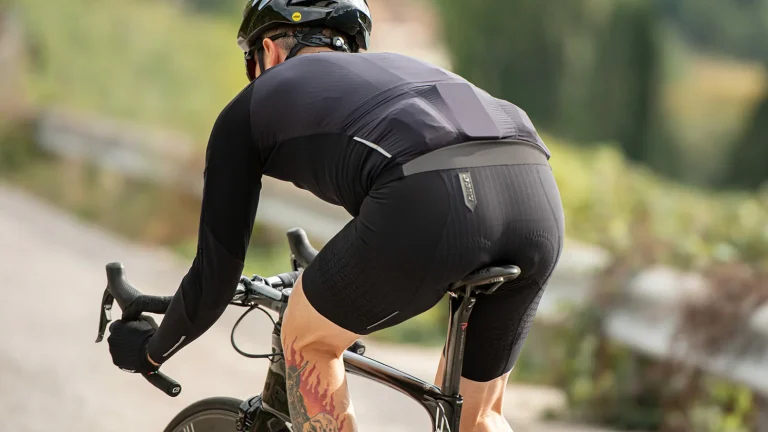
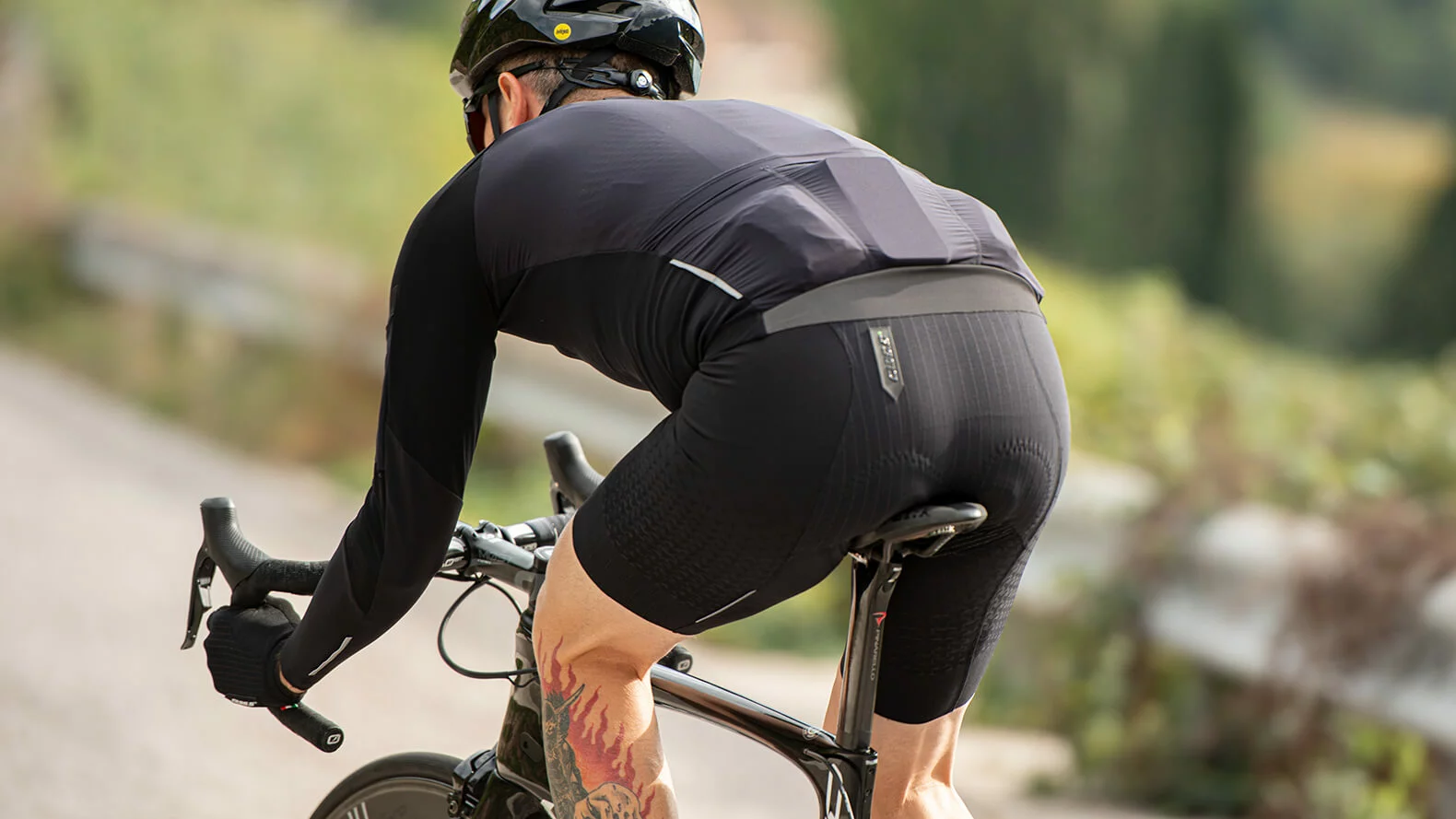
- Hands in the Drops: This is the simplest and most effective change you can make. Riding on the top of the bars is like pushing a big parachute through the air. Moving your hands to the drops lowers your body and makes you more streamlined, allowing you to cycle faster with the same power output. It might feel strange at first, but it’s a game-changer.
- Flatten Your Back and Bend Your Elbows: Think about creating a flat surface from your hips to your head. Tuck your elbows in towards your knees and drop your head slightly. You’ll immediately feel the wind slip over you more easily. On descents, you can get even more aero by lowering your chest towards the top tube.
Pedal with Purpose, Not Just Power
Many riders think pushing a bigger, harder gear will make them faster. This is a myth! Mashing a big gear slowly is a fast track to tired legs.
Instead, aim for a quicker, lighter cadence. Most efficient cyclists pedal between 80 and 100 revolutions per minute (RPM). Try this: shift into an easier gear and focus on spinning your legs quickly and smoothly. It should feel like you’re wiping mud off the bottom of your shoe. This engages more muscle groups and saves your legs for when you really need that power, helping you maintain a higher average speed for longer.
Corner Like You Mean It
Losing all your speed in every corner means you have to waste energy accelerating back up. Good cornering is about carrying momentum.
- Slow In, Fast Out: Brake before you enter the corner, not in it. As you approach, scan ahead, pick your line, and then release the brakes.
- Look Through the Corner: Your bike goes where your eyes look. Don’t stare at the pothole you want to avoid; look at the smooth exit path you want to take. Your body and bike will naturally follow.
- Outside Foot Down: Press your weight down through the outside pedal (which should be at the 6 o’clock position). This grips the tires and keeps your bike stable.
The Magic of the Draft: Ride in a Group
If you want to know how to cycle faster with less effort, learn to draft. Riding closely behind another rider can save you up to 40% of your energy. That’s an enormous amount of power you can save for later. The key is to hold a steady, predictable line and avoid sudden braking. Start by staying about a wheel length behind, and as you get more comfortable, you can safely move closer. It’s the biggest free speed hack in the book.
The Engine – Build Your Fitness with Smart Training
Okay, now that we’ve sorted your technique, let’s talk about the engine, that’s you. Building your fitness is what will take you from a few fast bursts to a consistently higher cruising speed.
Consistency is Your Best Friend
You can’t hack fitness. The single most important factor is showing up regularly. It’s better to ride three times a week, every week, than to do one massive ride and then take two weeks off. This builds your aerobic base, which is the foundation for all the speed to come. These steady, conversational-paced rides (often called Zone 2 training) are what teach your body to burn fat for fuel and become more efficient.
Introduce Intervals: The Spark for Speed
If consistent riding builds your engine, intervals are the turbocharger. They are short, hard efforts that push your body to adapt and get stronger. You don’t need to overcomplicate this. Here are two simple workouts to try once a week:
- The Simple Speed Play: During a regular ride, pick a landmark up ahead, a telephone pole, a stop sign. Crank up your speed until you reach it, then spin easily to recover for a few minutes. Repeat this 5-8 times. This is called Fartlek, and it’s a fun, unstructured way to start.
- The Threshold Builder: After a good warm-up, ride at a “hard but sustainable” pace for 10 minutes. You should be able to say a few words, but not hold a conversation. Recover with 5 minutes of easy spinning, and then do it one more time. This builds your lactate threshold, which is the single most important metric for how to cycle faster over longer distances.
Don’t Skip the Gym
Strength training isn’t just for bodybuilders. For a cyclist, a stronger core and legs mean more power transfer to the pedals and better stability on the bike. You don’t need to live in the gym. Just one or two sessions a week focusing on squats, lunges, planks, and glute bridges will make a dramatic difference in your power output and help prevent injuries.
Recover to Get Faster
This is the part everyone ignores, but it’s critical: you don’t get faster on the bike; you get faster when you’re recovering from the bike. When you train, you create tiny tears in your muscles. It’s during rest that your body repairs them, making them stronger than before. Prioritize sleep, eat a good meal or drink a recovery shake after a hard ride, and don’t be afraid to take a complete day off. An easy walk or a very gentle spin on the bike can actually aid recovery.
The Machine – Optimize Your Bike and Gear
Let’s talk about your steed. While you are the engine, your bike is the machine. You don’t need to break the bank, but a few smart optimizations can shave off minutes without you having to pedal any harder.
Tire Pressure: The Goldilocks Zone
For decades, the rule was to pump your tires up to the maximum pressure printed on the sidewall. We now know that’s wrong. Rock-hard tires bounce over bumps, which wastes energy and makes for a harsh, slow ride. Softer tires conform to the road, providing better grip and a smoother, faster roll.
A good starting point is to use an online tire pressure calculator (like the one from SRAM), but a general rule is to start lower than you think. For a typical road cyclist, pressures between 70 and 90 PSI are often much faster and more comfortable than 100+ PSI.
The Best Money You Can Spend: Fast Tires
If you only make one upgrade to your bike, make it your tires. Your tires are the only thing connecting you to the road, and their quality dramatically affects rolling resistance, that is, how much energy it takes to keep them moving. Modern, high-quality tires with supple casings are lightyears ahead of the stock tires that come on most bikes. Look for well-regarded models from brands like Continental, Schwalbe, or Pirelli. Pair them with a latex or lightweight butyl tube, and it will feel like you’ve unlocked a new gear.
Is Your Bike Actually Fitting You?
An improper bike fit is like trying to run a marathon in shoes that are two sizes too small. It wastes power and leads to discomfort and injury. You don’t necessarily need a professional fit right away, but you should check the basics:
- Saddle Height: Sit on the bike with your heel on the pedal. At the bottom of the stroke, your leg should be completely straight. When you put the ball of your foot on the pedal, you’ll have a slight bend in your knee.
- Saddle Fore/Aft: With the pedals level, your front knee should be directly over the pedal spindle. You can check this by dropping a plumb line from the bony bump just below your knee.
- Reach: You should have a comfortable bend in your elbows and a flat back. If you’re stretched out like a starfish, a shorter stem might be in order.
The Aero Hierarchy (If You Have the Budget)
If you’re ready to spend some money, here’s the order of upgrades that will give you the most speed for your dollar:
- An Aero Helmet: A good aero helmet can save as many watts as a set of deep-section wheels for a fraction of the price. It’s the most efficient aero upgrade you can make.
- Deep-Section Wheels: These look fast, and they are. They help you slice through the wind more effectively. You’ll feel the biggest difference on flat roads and in windy conditions.
- An Aero Frameset: This is the big one. While modern aero bikes are stunningly fast, the speed gain per dollar is lower than the upgrades above. It’s the final piece of the puzzle.
Excellent. Here is the final section of the article, covering strategy and the conclusion, written in the same engaging, human, and expert voice.
The Strategy – Fuel, Hydrate, and Pace Your Way to Speed
You can have the best technique, a powerful engine, and a perfectly tuned bike, but if your strategy is off, you’ll still run out of gas. This part is all about playing the long game so you can finish strong and fast.
Fuel for the Work Required
Your body is like a high-performance car. You wouldn’t put low-grade fuel in a Ferrari, so don’t feed your body poorly before a ride. But it doesn’t need to be complicated.
- The Pre Ride Meal: About 2-3 hours before you head out, have a meal rich in easy-to-digest carbohydrates. A bowl of oatmeal with banana, or some toast with jam, is perfect. This tops off your glycogen stores, your body’s primary fuel tank for cycling.
- Eat Before You’re Hungry, Drink Before You’re Thirsty: This is the golden rule of endurance sports. On the bike, start taking in nutrition after the first hour. Aim for a bite of an energy bar, a gel, or a handful of dried fruit every 20-45 minutes. If you wait until your stomach is growling or you feel weak, it’s too late. You’ve bonked, and your speed for the day is over. Consistent fueling is a non-negotiable part of learning how to cycle faster for longer.
Hydration is Not Optional
Even being slightly dehydrated can make your effort feel much harder and your heart rate soar. Make a habit of taking small, frequent sips from your bottle every 10-15 minutes. A good rule of thumb is to aim for one large bottle (500-750ml) per hour in moderate temperatures, and more when it’s hot. If you finish a two-hour ride and your bottle is still half full, you didn’t drink enough.
Master the Art of Pacing
We’ve all done it: the adrenaline kicks in, we feel amazing, and we fly out of the gates like we’re in the Tour de France. Then, 30 minutes later, we’re exhausted and watching everyone else ride away.
The secret to a faster overall time is often to start slower. This is called “negative splitting”, where the second half of your ride is faster than the first. By holding back a little at the beginning, you save precious mental and physical energy for the end. You’ll be the one confidently passing people on the final climbs, rather than the one being passed.
If you use a heart rate monitor or power meter, this is easier. Start your ride at the low end of your endurance zone. If you don’t have tech, just use perceived effort. Make a conscious choice to dial it back to a 6 out of 10 for the first part of your ride. Trust me, your future self will thank you.
Final Thought: Your Journey to Becoming a Faster Cyclist
So, there you have it. How to cycle faster isn’t a single secret, but a beautiful puzzle made of technique, fitness, machine, and strategy. You don’t need to master all of it at once. In fact, I’d advise against it.
The real secret is consistency and smart focus. Look back over these sections and ask yourself one simple question: “Which one of these is my biggest weakness right now?”
Is it your aero position? Are you mashing gears instead of spinning them? Are you skipping recovery? Or are you always bonking because you forget to eat?
Pick just one thing. Work on it for the next few weeks. Make it a habit. Then, come back and pick another.
Speed on a bike isn’t just about numbers on a screen. It’s about the feeling of effortlessly cresting a hill that used to defeat you. It’s about the confidence to stay with the group on a fast descent. It’s about the pure, unadulterated joy of the wind rushing past you as you fly down your favorite road.
You have everything you need to unlock that feeling. Now, it’s time to get out there and ride. I’ll see you on the road.
About the Author