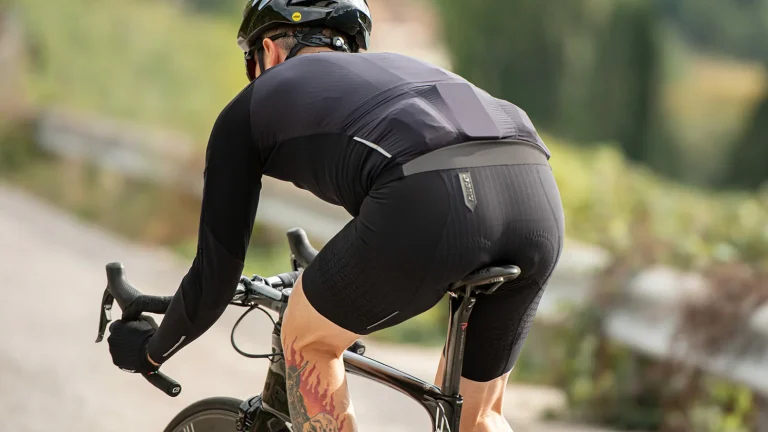
You lace up your shoes, step outside, and suddenly realize you’re at a crossroads. Should you hit the pavement for a run, or should you hop on a bike and feel the wind in your face? It’s a question thousands of people ask themselves every single day when choosing between cycling vs running for fitness, and honestly, there’s no shortage of opinions out there.
Here’s the thing: both cycling and running can transform your fitness, but they do it in different ways. Maybe you’ve got dodgy knees that protest every time you try to run. Or perhaps you’re tired of spending money on gym memberships that you barely use. Whatever brought you here, you’re probably looking for straight answers about which activity will actually help you reach your fitness goals.
I’ve spent years in the fitness world, and I can tell you that the cycling vs running for fitness debate isn’t about finding a universal winner. It’s about finding what works for your body, your lifestyle, and your goals. Some people swear by their morning runs. Others wouldn’t trade their bike rides for anything. And plenty of folks do both.
In this guide, we’re going to break down everything you need to know about cycling vs running for fitness. We’ll talk about calorie burn, joint health, cost, convenience, and which one might be better for your specific situation. By the end, you’ll have a clear picture of where to invest your time and energy. No fluff, no confusing jargon, just practical information that’ll help you make a confident decision.
Let’s get into it.
The Quick Snapshot: How They Stack Up
Before we dive deep, let’s look at the basics. Running and cycling are both excellent cardio exercises, but they come with different perks and challenges.
Running is straightforward. You need a decent pair of shoes, and you’re good to go. It burns calories fast, strengthens your bones, and you can do it almost anywhere. The downside? It’s tough on your joints, especially if you’re carrying extra weight or have a history of injuries.
Cycling takes more equipment, but it’s gentler on your body. You can ride longer without the same beating your joints take from running. It builds serious leg strength and gets your heart pumping without all that impact. The catch is you need a bike, and depending on where you live, you might need safe places to ride.
When it comes to burning calories, running typically edges out cycling if we’re talking about the same amount of time and effort. A 30-minute run usually torches more calories than a 30-minute bike ride at a moderate pace. But here’s where it gets interesting: because cycling is easier on your body, many people can do it longer, which means they end up burning more total calories in a session.
The cost difference matters too. Running shoes will set you back anywhere from $60 to $150, and you’ll replace them every 300 to 500 miles. A decent bike? That’s easily $300 to $1,000 for something reliable, plus maintenance, repairs, and gear. If budget is tight, running wins on accessibility.
Cardiovascular Health: Getting Your Heart Strong
Both activities are phenomenal for your heart. When you run or cycle regularly, your heart becomes more efficient at pumping blood. Your resting heart rate drops, your blood pressure improves, and your risk of heart disease decreases significantly.
Running tends to push your heart rate higher, faster. Those quick bursts of intensity during a run create what exercise scientists call cardiovascular stress, and that’s actually a good thing. Your heart adapts by getting stronger. Studies show that runners often have excellent cardiovascular endurance and can reach high VO2 max levels, which is basically how efficiently your body uses oxygen.
Cycling builds cardiovascular fitness differently. Because it’s lower impact, you can sustain longer sessions without exhausting yourself. Many cyclists ride for hours, which trains the heart to work efficiently over extended periods. This type of endurance training is incredible for overall heart health and stamina.
For someone just starting out, cycling might feel more manageable. You can control the intensity easily by shifting gears or adjusting your speed. Running intensity is harder to moderate when you’re a beginner because even a slow jog can feel challenging.
If you’ve got high blood pressure or you’re recovering from a cardiac event, doctors often recommend low impact cardio first. That usually means cycling or walking before progressing to running. Always check with your healthcare provider before starting any new exercise routine, especially if you have heart concerns.
Building Muscle and Strength
Let’s talk about what happens to your muscles. Both activities build leg strength, but they emphasize different muscle groups.
Running works your entire lower body. Your calves fire with every push off the ground. Your hamstrings and glutes power you forward. Your quads absorb impact with each landing. Your core engages to keep you stable. Even your hip flexors get a workout as you lift your knees. It’s a full lower body experience, and over time, runners develop lean, defined legs.
Cycling is a quad-dominant activity. Those muscles on the front of your thighs do most of the heavy lifting, especially when you’re climbing hills or pushing through high resistance. Your hamstrings and glutes help too, but not as much as in running. Cyclists often develop powerful thighs and can generate impressive leg strength, particularly in that pedaling motion.
Here’s something important: running builds bone density better than cycling. Because running is weight bearing and high impact, it signals your bones to get stronger. This is especially valuable as you age and bone density naturally decreases. Cycling doesn’t provide that same bone-building stimulus because your body weight is supported by the bike.
For upper body involvement, neither activity is a champion. Running engages your arms and core more than cycling does, but you’re not going to build significant upper body muscle from either one. Most serious runners and cyclists add strength training to their routines to maintain balanced fitness.
The Calorie Burning Question
This is what everyone wants to know. Which one helps you lose weight faster?
Running burns more calories per minute, hands down. A person weighing around 155 pounds burns roughly 300 calories during a 30-minute run at a moderate pace. That same person cycling at a moderate pace for 30 minutes burns about 210 to 240 calories.
But wait, there’s more to the story. Running at high intensity creates something called EPOC, or excess post-exercise oxygen consumption. Basically, your body keeps burning extra calories for hours after your run as it recovers. This afterburn effect is more pronounced with running than with steady-state cycling.
However, cycling has a secret weapon: sustainability. Because it’s lower impact, most people can cycle for longer periods without feeling destroyed. A two-hour bike ride isn’t unusual for recreational cyclists. A two-hour run? That’s marathon training territory, and most people can’t sustain that regularly.
For weight loss, consistency matters more than which activity burns more calories per minute. If cycling feels better and you actually do it five times a week, you’ll lose more weight than running twice a week because your knees hurt. The best exercise for weight loss is the one you’ll actually stick with.
Your diet plays a massive role too. You can’t outrun or out-cycle a bad diet. Creating a calorie deficit through a combination of exercise and sensible eating is what leads to sustainable weight loss, regardless of whether you choose the bike or the pavement.
Joint Health and Injury Risk
This is where cycling and running really separate themselves. Running is high impact. Every time your foot hits the ground, your body absorbs a force equal to about three times your body weight. Do that thousands of times during a single run, and you can see why injuries happen.
Common running injuries include runner’s knee, shin splints, plantar fasciitis, Achilles tendinitis, and stress fractures. These aren’t guaranteed, and many runners never deal with serious injuries. But the risk is real, especially if you ramp up mileage too quickly, run with poor form, or wear worn-out shoes.
Cycling is dramatically easier on your joints. Your body weight sits on the saddle, and the circular pedaling motion doesn’t create the same impact forces. This makes cycling an excellent choice for people with arthritis, previous knee injuries, or anyone who needs to protect their joints while still getting intense cardio.
That said, cycling isn’t injury-free. Cyclists deal with overuse injuries like IT band syndrome, lower back pain from being hunched over the handlebars, and knee pain from improper bike fit or pushing too hard in high gears. Saddle sores and neck strain are common complaints too.
If you’re over 50, significantly overweight, or recovering from an injury, cycling is often the smarter starting point. You get the cardiovascular benefits without risking further joint damage. Once you’ve built fitness and maybe lost some weight, you can always add running if you want.
Proper form matters for both activities. For running, that means landing midfoot, keeping your cadence around 170 to 180 steps per minute, and not overstriding. For cycling, it means proper bike fit, maintaining good posture, and not grinding through gears that are too hard.
Cost and Accessibility
Money talks, and this is where the two activities diverge significantly. Running is cheap. A good pair of running shoes costs between $80 and $150. You might want some moisture-wicking clothes, but you can literally run in an old t-shirt and shorts if needed. There are no membership fees, no equipment to maintain, and you can do it right outside your front door.
Cycling requires more investment upfront. A basic, reliable bike starts around $300 to $500. If you want something better for longer rides or varied terrain, you’re looking at $800 to $2,000 easily. Then you need a helmet, which is non-negotiable for safety. Add cycling shorts with padding, a water bottle, maybe some lights, and possibly clipless pedals and shoes. The costs add up.
Maintenance is another factor. Bikes need tune-ups, tire replacements, chain lubrication, and occasional repairs. If you’re not mechanically inclined, bike shop visits can run $75 to $150 for basic service. Running shoes just need to be replaced every few months.
Weather affects both activities, but differently. You can run in light rain, cold weather, or heat with the right clothing. Cycling in rain is sketchy because of reduced traction and visibility. Winter cycling is possible but requires studded tires in icy conditions and serious cold-weather gear.
Indoor options exist for both. Treadmills are widely available at gyms, and many people have them at home. Stationary bikes and indoor trainers give cyclists the same flexibility. You can even use apps like Zwift that make indoor cycling more engaging with virtual routes and competitions.
For pure accessibility, running wins. You can travel anywhere and throw your running shoes in a suitcase. Bringing a bike on vacation is complicated and expensive. Business travelers and frequent movers often prefer running for this exact reason.
Time Efficiency
We’re all busy. How much time do you actually need to invest in either activity to see results?
Running delivers fitness gains faster. A solid 30-minute run provides significant cardiovascular benefits and calorie burn. If you’re pressed for time, you can do a high-intensity interval session in 20 minutes and be done. The efficiency is unmatched for people with packed schedules.
Cycling typically requires longer sessions for equivalent benefits. To match the calorie burn of a 30-minute run, you might need to cycle for 45 to 60 minutes. But remember, because cycling is easier to sustain, this isn’t necessarily a drawback. Many people find a long bike ride more enjoyable and less exhausting than a long run.
Getting ready matters too. Running is grab your shoes and go. Cycling means checking tire pressure, filling water bottles, putting on cycling gear, and possibly loading your bike onto a car if you don’t have safe roads nearby. That adds 10 to 20 minutes to your workout time.
For incorporating exercise into your daily routine, both have advantages. You can run during lunch breaks or before work without much fuss. Cycling to work or for errands combines transportation with exercise, which is brilliantly efficient if your area supports it.
Learning Curve and Getting Started
One of running’s biggest advantages is simplicity. Everyone knows how to run. Sure, there’s technique to learn for efficiency and injury prevention, but you can go out today and run a mile. It’s intuitive.
Cycling has more technical elements. You need to learn gear shifting, braking technique, cornering safely, and how to ride in traffic if you’re on roads. Clipless pedals, which attach your shoes to the pedals, take practice to use without falling over at stop signs (and yes, everyone falls at least once). Group riding has its own etiquette and safety protocols.
Safety concerns differ between the two. Running dangers include traffic, uneven surfaces, and weather conditions. You control most of the variables. Cycling adds vulnerability to distracted drivers, road hazards like potholes and gravel, and mechanical failures. Wearing a helmet is crucial because cycling accidents can be serious.
For someone brand new to fitness, running might feel more intimidating intensity-wise. Even a slow jog can leave beginners gasping. Starting with walk-run intervals is common and effective. Cycling lets you ease into fitness more gradually because you can pedal lightly and still cover ground.
Training and Progress Tracking
Both activities offer clear ways to measure improvement, which keeps motivation high. Runners track pace, distance, and elevation gain. Seeing your mile time drop from 12 minutes to 10 minutes feels incredible. Completing your first 5K, then 10K, then maybe a half marathon gives you concrete goals to chase.
Cyclists measure speed, distance, elevation, and increasingly, power output if they have a power meter. Riding 20 miles might be tough at first, but soon you’re doing 40 or 50. Conquering a steep hill that destroyed you a month ago is deeply satisfying.
Both sports have robust apps and communities. Strava is hugely popular for both runners and cyclists. It tracks your activities, lets you compete on specific segments, and connects you with others. Couch to 5K programs help new runners build up gradually. Zwift and TrainerRoad provide structured cycling workouts and virtual group rides.
The mental game is real with both activities. Running can be meditative for some and brutal for others. That voice in your head telling you to stop gets loud. Cycling offers more distraction because you’re navigating, shifting gears, and watching the scenery change. Some people find that mental break easier to handle.
Interval training works brilliantly for both. Running intervals might mean sprinting for 30 seconds, jogging for 90 seconds, and repeating. Cycling intervals involve high-effort surges followed by easy pedaling recovery. Both methods build fitness faster than steady, moderate efforts.
Which One for Your Specific Goals?
Your goals should drive your decision. Let’s break down different scenarios.
For maximum weight loss: Running burns more calories quickly, but cycling’s lower impact means you can potentially exercise more often and for longer durations. Combine either one with strength training and proper nutrition for best results. If you can only do one, choose the activity you enjoy enough to do consistently.
For joint protection: Cycling wins decisively. If you have knee problems, hip issues, or arthritis, cycling lets you build cardiovascular fitness without aggravating your joints. Swimming is another excellent low-impact option to consider.
For building bone density: Running is superior. The impact forces signal your bones to strengthen. This is particularly important for women concerned about osteoporosis and older adults experiencing natural bone density loss.
For overall leg strength: Cycling builds more raw power, especially in your quads. Running develops more balanced leg strength across all muscle groups. If leg strength is your priority, consider adding squats and lunges to either activity.
For convenience and travel: Running beats cycling easily. Pack your shoes and you’re set. No equipment to manage, no weather concerns about riding safety, no bike shops needed in unfamiliar cities.
For people over 50: Both work, but cycling often feels better for aging joints. Many older athletes switch from running to cycling as their primary cardio. Walking remains an excellent, underrated option too.
For rehabilitation: Check with your physical therapist, but cycling usually gets the green light before running after injuries or surgery. The controlled, low-impact motion helps rebuild fitness without risking re-injury.
Doing Both: The Best of Everything
Here’s the truth: you don’t have to choose just one. Many fitness enthusiasts do both, and this combination offers serious advantages. Cyclists often run to maintain bone density and break up the monotony. Runners cycle for active recovery days that let their joints rest while maintaining cardio fitness.
Cross-training with both activities reduces overuse injury risk. If you run five days a week, you’re repeatedly stressing the same muscles and joints. Swap two of those runs for bike rides, and suddenly your body gets variety while you maintain fitness.
A sample week might look like this: Monday run, Tuesday strength training, Wednesday bike ride, Thursday rest or yoga, Friday run, Saturday long bike ride, Sunday easy run or rest. This approach keeps things interesting and balances different types of stress on your body.
Triathletes obviously do both, along with swimming. Even if you never plan to race a triathlon, training like a triathlete creates well-rounded fitness. You develop cardiovascular endurance, muscular strength, and movement variety that benefits your overall health.
The mental break of switching between activities helps too. Running every single day can feel repetitive. Having cycling days gives you something different to look forward to. The change of scenery and different muscle engagement keeps your brain engaged.
Getting Started: Your First Steps
Ready to begin? Here’s what you actually need to know to start safely and effectively.
For new runners: Get properly fitted running shoes from a specialty running store where they analyze your gait. Start with a walk-run program like Couch to 5K. Run three days per week with rest days between. Don’t increase your weekly mileage by more than 10% each week. Learn proper form: short strides, midfoot landing, arms at 90 degrees, relaxed shoulders.
For new cyclists: Buy the best bike you can afford from a reputable shop that offers fitting services. A bike that fits properly prevents pain and injury. Always wear a helmet. Start with flat routes and build up to hills gradually. Learn basic maintenance like fixing a flat tire. Ride where you feel safe, whether that’s bike paths, quiet roads, or starting indoors on a trainer.
Local communities can accelerate your progress. Running clubs and cycling groups welcome beginners. They offer accountability, social connection, and experienced members who share tips. Many cities have beginner-specific groups that go at comfortable paces.
Set realistic expectations. You won’t run a marathon or complete a century ride (100 miles) in your first month. Focus on consistency and gradual improvement. Celebrate small victories like running for 20 minutes without stopping or riding 15 miles.
Listen to your body. Soreness is normal. Sharp pain is not. Rest when you need it. Recovery is when your body actually gets stronger, not during the workouts themselves.
Common Questions Answered
Is cycling or running better for belly fat? Both burn calories and contribute to overall fat loss, but you can’t spot-reduce belly fat. Running slightly edges out cycling for calorie burn per minute, but cycling allows longer durations. Combine either with strength training and proper nutrition for best results. Belly fat loss comes from a sustained calorie deficit, not from any single exercise.
Can cycling replace running for fitness? Absolutely. Cycling provides excellent cardiovascular fitness, leg strength, and endurance. The main thing you miss is the bone-density benefits from impact. If you’re cycling exclusively, consider adding some weight-bearing activity like walking, hiking, or strength training.
How long should I cycle to equal a 5K run? A 5K run takes most recreational runners 25 to 35 minutes and burns roughly 250 to 400 calories depending on pace and body weight. To match that calorie burn, you’d need to cycle for about 40 to 60 minutes at moderate intensity. But remember, calories aren’t everything. Both activities provide valuable fitness benefits beyond just energy expenditure.
Which is better for toning legs? Both tone legs, but differently. Running creates leaner, more defined legs. Cycling, especially with hill climbs or high resistance, builds more muscular, powerful legs. Your genetics and diet play huge roles in how your legs look regardless of which activity you choose.
Can I do both on the same day? Yes, but be smart about it. An easy recovery bike ride after a hard run works well. Trying to do two hard sessions in one day increases injury risk and burnout. Many triathletes do “brick” workouts, cycling then immediately running to train their body for the transition.
Which is harder on knees? Running is definitely harder on knees due to impact forces. Cycling is generally knee-friendly, though improper bike fit or pushing too hard in big gears can cause knee pain. If you have existing knee problems, cycling is usually the safer choice.
Final Thoughts
So, cycling or running for fitness? After everything we’ve covered, you probably realize there’s no universal answer. Both activities transform lives and build incredible fitness. The right choice depends entirely on your body, your goals, your budget, and what you actually enjoy.
If your joints are happy and you love the simplicity of lacing up shoes and hitting the road, running might be your calling. The calorie burn is efficient, the entry cost is low, and the convenience can’t be beaten. You’ll build strong bones, powerful legs, and serious mental toughness.
If you need something gentler on your body or you love the feeling of covering ground on two wheels, cycling opens up a whole new world. You can ride for hours without the beating your joints take from running. You’ll develop incredible leg strength and cardiovascular endurance while exploring your area in ways runners never experience.
Here’s what matters most: the best exercise is the one you’ll do consistently. You could have the scientifically optimal workout plan, but if you hate every minute, you’ll quit. Choose the activity that makes you want to show up. Choose the one that fits your life. Choose the one that brings you joy, even when it’s hard.
And remember, you can always change your mind. Start with one, try the other later, do both if you want. Your fitness journey isn’t set in stone. It evolves as your body changes, your goals shift, and your interests develop.
The real win isn’t picking the “right” activity. It’s committing to move your body regularly, whatever that looks like for you. Whether you’re pounding pavement or spinning pedals, you’re doing something incredible for your health. You’re investing in a stronger heart, a healthier body, and a longer, more vibrant life.
So stop overthinking it. Pick one and start. You can figure out the rest along the way.
About the Author