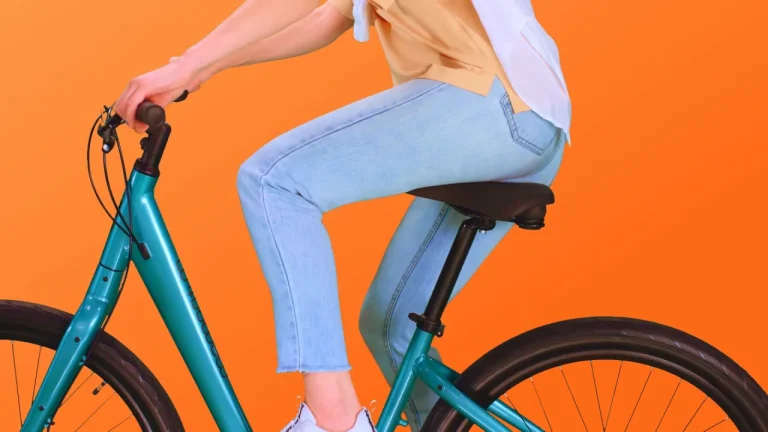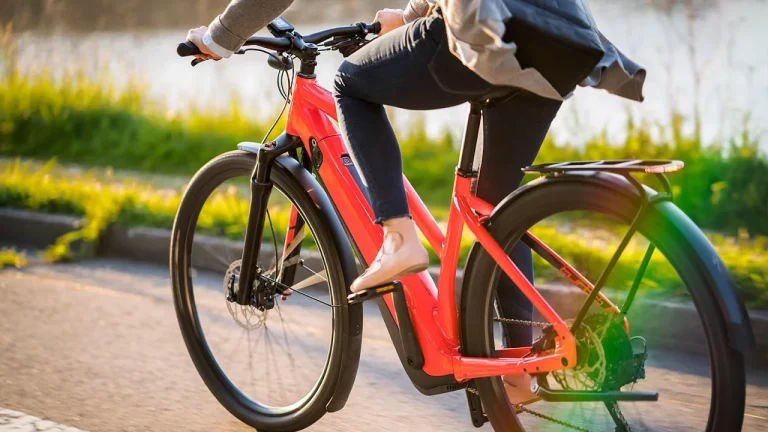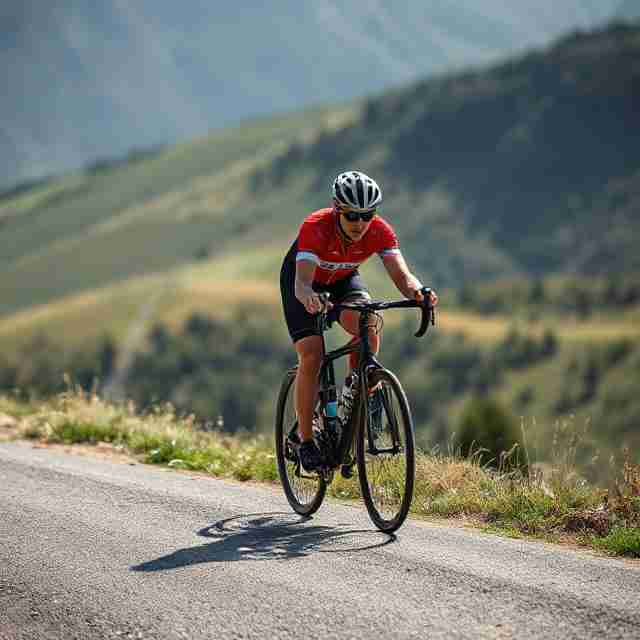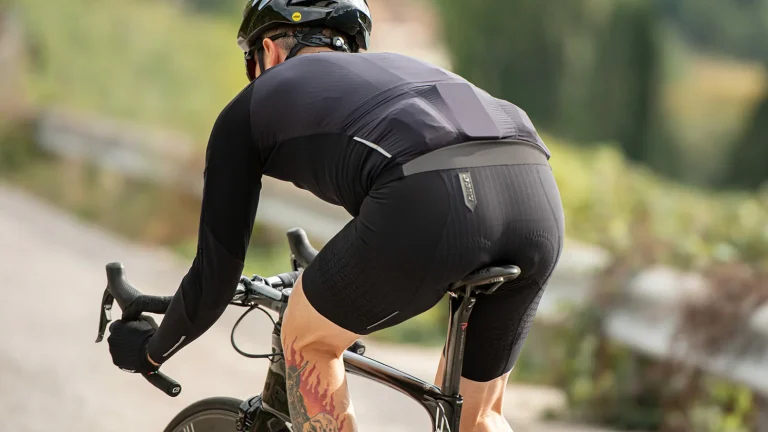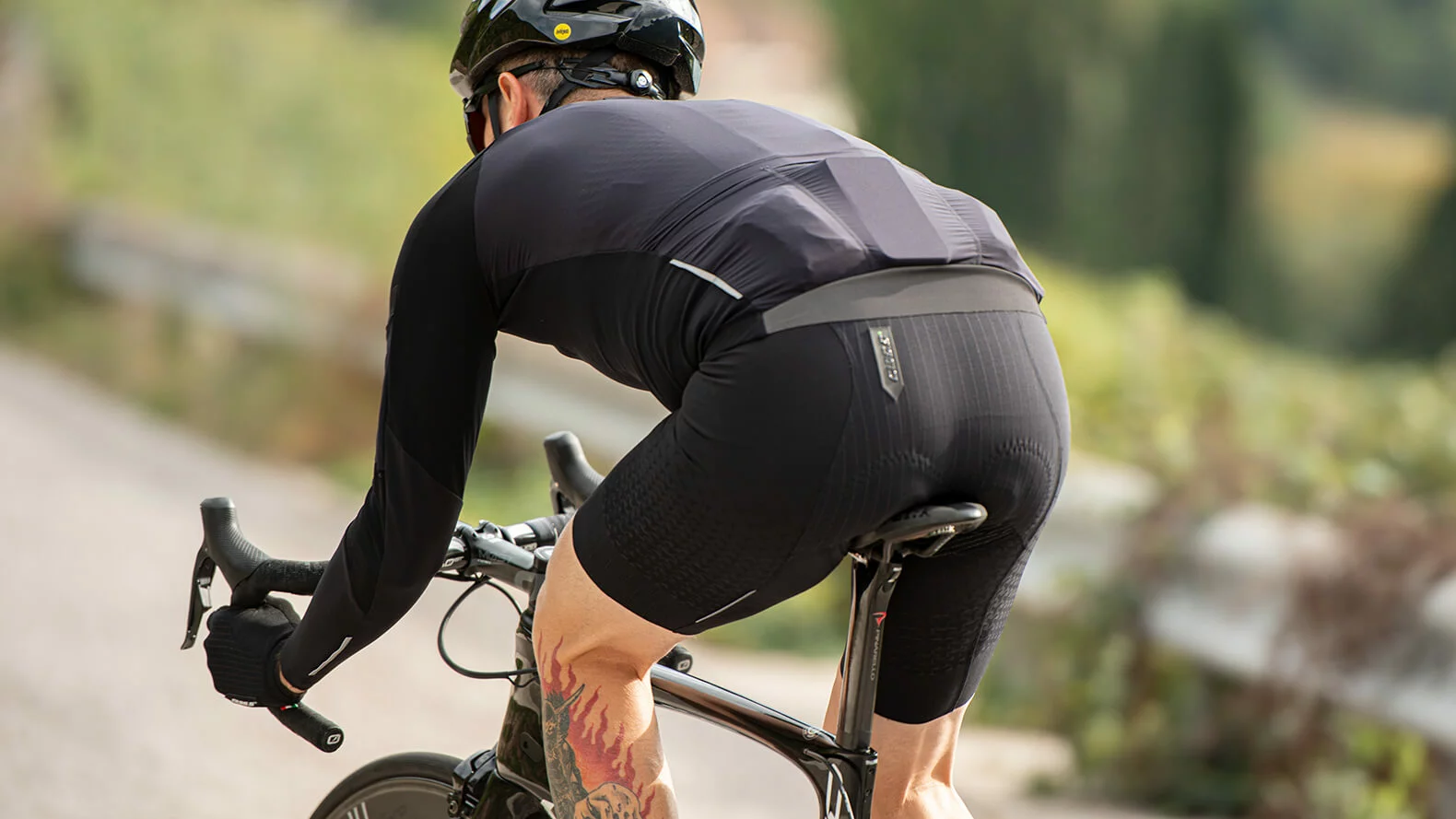
Imagine, the sun is just starting to rise, the roads are quiet, and you’re gliding along smooth pavement with nothing but the sound of your wheels and your own breathing. That’s the magic of road cycling. It doesn’t matter if you’re brand new to bikes or you’ve been riding for years, there’s something about road cycling that keeps pulling you back.
Maybe you’ve seen groups of cyclists in colorful jerseys cruising past on weekend mornings and thought, “I want to do that.” Or perhaps you’re looking for a new way to stay fit that doesn’t feel like a chore. Whatever brought you here, you’re in the right place.
Road cycling isn’t just about the bike. It’s about freedom, fitness, and finding your own rhythm on two wheels. It’s about challenging yourself to ride a little farther or climb that hill that seemed impossible last month. And the best part? Anyone can start. You don’t need to be super fit or own expensive gear to begin your journey.
In this guide, we’re going to cover everything you need to know about road cycling. From choosing your first bike to training tips, safety basics, and how to keep your bike running smoothly. Think of this as your roadmap to becoming a confident road cyclist.
What Is Road Cycling?
Let’s start with the basics. Road cycling is exactly what it sounds like: riding bikes designed for paved roads. These bikes are built for speed and efficiency, with skinny tires, lightweight frames, and drop handlebars that let you cut through the wind.
But road cycling is more than just the equipment. It’s a style of riding that focuses on covering distance, building endurance, and enjoying the pure experience of cycling on open roads. Unlike mountain biking, where you’re tackling rough trails and obstacles, road cycling keeps you on smooth surfaces where you can really get into a rhythm.
There are different ways to enjoy road cycling. Some people ride solo for fitness or to clear their heads after a long day. Others join group rides with local cycling clubs, where you can make friends and learn from more experienced riders. Then there are those who get into racing, whether it’s local criteriums (short, fast races on closed circuits) or longer events like gran fondos.
The beauty of road cycling is that you can make it whatever you want. Want a relaxing Sunday morning ride through scenic countryside? Perfect. Looking to push your limits and train for a century ride (that’s 100 miles, by the way)? Road cycling can give you that too.
One thing that sets road cycling apart is the community. Cyclists are some of the friendliest people you’ll meet. There’s an unspoken bond when you pass another cyclist on the road and exchange a quick wave or nod. Join a group ride and you’ll quickly find people who are happy to share tips, recommend routes, and celebrate your progress.
Choosing Your First Road Bike
This is where things get exciting. Walking into a bike shop for the first time can feel overwhelming. There are so many options, and unless you know what you’re looking for, all those bikes might look pretty similar.
Let’s break it down so you can make a smart choice without getting lost in the details.
Understanding Road Bike Basics
Road bikes have a few key features that make them different from other bikes. Those drop handlebars aren’t just for looks. They let you ride in different positions, which is great for comfort on long rides. When you’re cruising along flat roads, you can hold the tops of the bars and sit more upright. When you want to go faster or ride into a headwind, you can drop down into a more aerodynamic position.
The frame is the heart of your bike, and it affects everything from how the bike feels to how much it costs. Most modern road bikes use one of four materials:
Aluminum frames are the most common for entry level bikes. They’re light, affordable, and durable. If you’re just starting out, an aluminum bike is a solid choice that won’t break the bank.
Carbon fiber is lighter and absorbs road vibration better, which means a more comfortable ride. But it comes with a higher price tag. Many serious cyclists love carbon, but it’s not necessary when you’re beginning.
Steel frames are making a comeback. They’re known for a smooth, comfortable ride and they’re very durable. Some cyclists swear by the feel of steel, saying it has a certain quality that other materials can’t match.
Titanium combines the best of everything but costs the most. Unless you’re really committed and have money to spend, you can skip this one for now.
Types of Road Bikes
Not all road bikes are built for the same purpose. Understanding the differences will help you choose the right one.
Endurance bikes are designed for comfort over long distances. They have a more relaxed geometry that lets you sit in a more upright position, which is easier on your back and neck. If you’re planning casual rides or century events, an endurance bike is probably your best bet.
Race bikes are built for speed. They put you in an aggressive, aerodynamic position that can feel uncomfortable at first. These are for people who want to compete or who prioritize performance over comfort.
Aero bikes take the speed concept even further with frame shapes designed to slice through the wind. They look cool but they’re really only worth it if you’re racing seriously.
Climbing bikes are super lightweight to help you get up hills faster. Again, this is more of a specialized choice for experienced riders.
For most beginners, an endurance bike offers the best balance of comfort, performance, and versatility.
Budget Considerations
Here’s the good news: you don’t need to spend a fortune to get started with road cycling.
Entry level road bikes typically cost between $800 and $1,500. These bikes have aluminum frames and reliable components that will serve you well as you learn. Don’t let anyone tell you that you need to spend more to enjoy cycling. Plenty of people have ridden thousands of happy miles on bikes in this price range.
Mid range bikes run from $1,500 to $3,500. You’ll start seeing carbon frames at this level, along with better components that shift more smoothly and weigh less. If you know you’re committed to road cycling and your budget allows, this range offers great value.
High end bikes start around $3,500 and can go well into five figures. Unless you’re racing competitively, you probably don’t need to be here.
Buying used is another option worth considering. You can find great deals on bikes that are a year or two old, especially if you know what to look for. Just make sure to have an experienced cyclist or bike shop check it out before you buy.
Getting the Right Fit
This is crucial. A bike that doesn’t fit properly will be uncomfortable at best and could lead to injury at worst.
Most bike shops offer basic fitting when you buy a bike. They’ll measure your height and inseam, then help you find the right frame size. More detailed professional fittings cost extra but they’re worth it if you’re serious about cycling. A good fitter will adjust everything from saddle height to handlebar position to make sure the bike works with your body.
Signs of a poor fit include knee pain, lower back pain, numb hands, or neck strain. If you experience any of these regularly, it’s time to revisit your bike fit.
Essential Road Cycling Gear
You’ve got your bike. Now let’s talk about the gear that will keep you safe and comfortable.
The Must Have Items
A helmet is non negotiable. It could literally save your life. Modern helmets are light, well ventilated, and comfortable enough that you’ll forget you’re wearing one. Make sure it fits snugly and sits level on your head, not tilted back. Replace your helmet after any crash or every five years, whichever comes first.
Cycling shoes and pedals take some getting used to, but they make a huge difference. Clipless pedals (confusingly named since your shoes clip into them) connect your feet to the pedals, giving you more power and efficiency. Yes, you’ll probably fall over once or twice when you forget to unclip at a stop sign. Everyone does. It’s a rite of passage. The good news is that it usually happens at low speed and makes for a funny story later.
If clipless pedals feel too intimidating at first, start with regular flat pedals and any athletic shoes. You can always upgrade later.
Cycling shorts or bibs might look silly, but that padded chamois makes all the difference on longer rides. Trust me on this. Your sit bones will thank you. Bibs are shorts with suspenders that hold them up, and many cyclists prefer them because there’s no waistband to dig into your stomach.
A cycling jersey isn’t just about looking the part. The fabric wicks sweat away from your skin and dries quickly. The rear pockets are perfect for stashing snacks, your phone, and other essentials. You can start with any moisture wicking athletic shirt, but once you try a real cycling jersey, you’ll understand why cyclists love them.
Gloves protect your hands if you crash and provide padding that reduces numbness and fatigue on long rides. They don’t need to be expensive. Even basic gloves make a big difference.
Sunglasses protect your eyes from sun, wind, and debris. You don’t need fancy cycling specific glasses, but make sure they stay put when you move your head and provide good coverage.
Additional Useful Gear
Lights are essential if you’ll ever ride in low light conditions. A white front light and red rear light make you visible to drivers. Many areas require lights by law once the sun goes down.
A bike computer or GPS device helps you track your rides. Knowing your distance, speed, and elevation gain can be motivating as you watch yourself improve. Many cyclists use their smartphones with apps like Strava, but dedicated bike computers have better battery life and are easier to read in bright sunlight.
You need a way to carry water. Most road bikes have mounts for water bottle cages. Start with two bottles and you’ll have enough for rides up to about two hours in moderate weather.
A small saddle bag under your seat should contain a spare tube, tire levers, and a multi tool. Add a small pump or CO2 inflator and you’ll be able to fix a flat tire on the road. This gear won’t do you any good at home in your garage when you get a flat 10 miles out.
Dressing for the Weather
Cycling in different conditions requires some planning. The key is layering.
When it’s cool but not cold, arm warmers and leg warmers are perfect. You can start your ride wearing them and stuff them in your pockets when you warm up.
A lightweight windbreaker is great for early morning rides or descents when the temperature drops. Look for one that packs small.
For real winter riding, you’ll want insulated tights, a thermal base layer, a winter jacket, and warm gloves. Many cyclists also use shoe covers to keep their feet warm.
In hot weather, light colored, well ventilated clothing is your friend. Don’t forget sunscreen on exposed skin.
Road Cycling Basics and Techniques
Now that you’re all geared up, let’s talk about actually riding your bike.
Getting Started
If you’re new to drop handlebars and clipless pedals, practice in an empty parking lot before hitting the road. Get comfortable clipping in and out of your pedals while stationary. Lean against a wall or have a friend hold your bike while you practice.
When you start moving, focus on smooth, controlled movements. Road bikes are designed to go fast, but that doesn’t mean you need to push hard right away. Start with easy, short rides to build confidence.
Braking on a road bike might feel different than what you’re used to. Most of your stopping power comes from the front brake, but use both brakes together for smooth, controlled stops. Squeeze gently rather than grabbing hard.
Shifting gears becomes second nature after a while, but it takes practice. Shift before you need to, not when you’re already struggling. Going up a hill? Shift to an easier gear before the climb gets steep. Approaching a stop? Shift to an easier gear so you can start moving again smoothly.
Riding Position and Form
Where you hold the handlebars changes how you ride. The tops of the bars give you an upright, comfortable position for casual riding. The hoods (where the brake levers are) provide a good mix of comfort and control for most riding. The drops (the lower curved part) put you in the most aerodynamic position for speed or riding into headwinds.
Keep your elbows slightly bent and your shoulders relaxed. A death grip on the handlebars will tire you out and transfer every bump in the road straight to your body. Think light hands and relaxed upper body.
Engage your core muscles to support your position rather than putting all your weight on your hands and saddle. This takes some getting used to, but it makes for much more comfortable riding.
Your pedaling should be smooth and circular, not just pushing down. Think about pulling up on the backstroke too. This is where clipless pedals really shine. Aim for a cadence (that’s pedal rotations per minute) of around 80 to 90. This might feel faster than you’re used to, but it’s easier on your knees and more efficient.
Cornering and Descending
Cornering takes practice. The key is to look where you want to go, not at the ground right in front of you. Your bike will follow your eyes.
Before entering a corner, do your braking while you’re still going straight. Once you’re in the turn, you want to coast through it smoothly. Push down on the outside pedal and lean the bike (not your body) into the turn.
Descending can be intimidating at first. Stay relaxed and keep your weight back slightly. Use both brakes gently to control your speed rather than grabbing them hard and skidding. Look ahead to spot any hazards early.
The more you practice, the more confident you’ll become. Many experienced cyclists say descending well is one of the most fun parts of road cycling.
Riding in Traffic
This is where many beginners feel most nervous, and that’s completely normal. The good news is that with smart riding, you can share the road safely with cars.
Ride predictably. Hold a straight line and signal your intentions. Take the lane when you need to. Yes, this means riding in the center of the lane rather than hugging the edge. When the lane is too narrow for a car to pass you safely, you’re actually safer taking the lane and forcing drivers to wait until they can pass with enough room.
Always assume drivers don’t see you. Make eye contact at intersections. Be extra cautious around parked cars (watch for doors opening) and at driveways where cars might pull out.
Follow traffic laws. You’re a vehicle and you need to act like one. Stop at red lights and stop signs. Signal your turns. Ride with traffic, never against it.
Stay alert. Don’t wear headphones. Keep your head up and scan ahead for hazards.
Safety and Road Rules
Let’s talk more about staying safe out there.
Know the Rules
In most places, bicycles are considered vehicles and have the same rights and responsibilities as cars. That means you need to follow traffic signals, yield when appropriate, and ride on the right side of the road (or left in countries that drive on the left).
Some areas have specific cycling laws about where you can ride, whether you need lights, and helmet requirements. Take a few minutes to look up the rules in your area.
Visibility Is Everything
Make yourself seen. Wear bright colors during the day. Use lights at dawn, dusk, and night. Many cyclists use a rear blinky light even in broad daylight because it catches drivers’ attention.
Reflective elements on your clothing, helmet, and bike help too. The more visible you are, the safer you are.
Common Hazards
Watch for road debris like gravel, especially in corners where it tends to collect. Glass, potholes, and metal grates can cause crashes or flats.
Car doors are a serious danger in urban areas. Always ride far enough from parked cars that you won’t get hit if someone opens a door without looking. This is called the “door zone” and it’s one of the most common causes of cycling crashes in cities.
Railroad tracks and drainage grates should be crossed at a right angle when possible. Hitting them at an angle can catch your wheel and cause a crash.
Bad weather creates additional challenges. Rain makes roads slippery and reduces visibility. Wet brakes don’t work as well. If you must ride in the rain, slow down and give yourself extra time to stop.
Group Riding Basics
Riding with others is one of the joys of road cycling, but it comes with its own etiquette.
Communicate constantly. Call out “car back” when a vehicle is approaching from behind. Point out hazards like potholes and glass. Signal turns and stops.
Hold your line. Sudden movements in a group can cause crashes. Be smooth and predictable.
Don’t overlap wheels. Keep your front wheel behind the rear wheel of the rider in front of you, not alongside it. If they swerve, you’ll crash.
Riding in a paceline (single file with riders taking turns at the front to block the wind) is more advanced, but it’s incredibly efficient. Wait until you’re comfortable riding in a group before trying to join pacelines.
Training and Getting Stronger
Want to ride farther and faster? Here’s how to build your fitness.
Start with a Foundation
If you’re new to cycling, your first goal is simply building the habit. Start with three or four rides per week of 30 to 60 minutes. Focus on just getting comfortable on the bike and enjoying yourself.
After a few weeks, you can start adding distance gradually. A good rule of thumb is to increase your weekly mileage by no more than 10 percent each week. This helps prevent overtraining and injury.
Listen to your body. Some soreness is normal as you adapt to cycling, but sharp pain is a warning sign. Rest when you need to.
Different Types of Rides
Once you have a base level of fitness, mixing up your rides will make you stronger.
Endurance rides are long, steady efforts at a comfortable pace. You should be able to hold a conversation. These rides build your aerobic base and teach your body to burn fat for fuel.
Interval training involves short bursts of hard effort followed by recovery periods. For example, you might ride hard for two minutes, then easy for three minutes, repeating several times. Intervals improve your power and speed.
Tempo rides are sustained efforts at a moderately hard pace. You’re working, but you could maintain the effort for 20 to 60 minutes. These rides build strength and endurance together.
Recovery rides are short, easy spins that help your legs recover from harder efforts. Keep these truly easy. The point is to get blood flowing without adding stress.
Hill repeats are exactly what they sound like. Find a hill, ride up hard, coast down, repeat. Nothing builds leg strength and mental toughness like hill repeats.
Fuel Your Rides
What you eat matters, especially as your rides get longer.
Before a ride, eat something with carbohydrates for energy. A banana and some toast works great. Avoid heavy, greasy foods that might upset your stomach.
On rides longer than 90 minutes, you need to eat and drink while you’re riding. Energy gels, bars, bananas, and even peanut butter sandwiches are popular choices. Aim to eat something every 30 to 45 minutes.
Drink before you feel thirsty. In moderate weather, most cyclists need about one bottle per hour. Hot weather demands more.
After your ride, eat within 30 to 60 minutes to help your body recover. A mix of carbs and protein works best. Chocolate milk is actually a great recovery drink.
Beyond the Bike
Road cycling is great exercise, but adding some strength training will make you a better cyclist and help prevent injury.
Core exercises are especially important. A strong core helps you maintain good position on the bike and generates power. Planks, bridges, and other bodyweight exercises work great.
Some flexibility work helps too. Cycling tightens your hip flexors and hamstrings, so gentle stretching or yoga can keep you balanced.
Many cyclists use indoor trainers during bad weather or when they can’t get outside. Smart trainers connect to apps like Zwift and make indoor riding more interesting.
Taking Care of Your Bike
A little maintenance goes a long way in keeping your bike running smoothly.
Before Every Ride
Do a quick safety check. It takes 30 seconds and could prevent a problem.
Check your tire pressure. Most road bike tires need 80 to 120 psi depending on the tire and your weight. You’ll find the recommended pressure printed on the tire sidewall. Properly inflated tires roll faster and are less likely to flat.
Squeeze your brakes to make sure they’re working. Look at the brake pads to make sure they’re not worn down.
Spin the wheels and watch to make sure they’re not rubbing the brake pads or frame.
Give the chain a quick look. It should be clean and lightly lubricated.
Check that quick releases or thru axles are tight.
This whole check takes less time than it took you to read about it, and it’s a good habit.
Regular Cleaning and Lubrication
A clean bike is a happy bike. After riding in wet or dirty conditions, wipe your bike down. Every few weeks, give it a more thorough cleaning.
You don’t need fancy products. Warm soapy water and a sponge work fine for the frame. A brush helps clean the drivetrain (the chain, cassette, and chainrings).
Once the bike is clean and dry, lubricate the chain. Wipe off excess lube. A properly lubed chain shifts better and lasts longer.
When Things Go Wrong
Flat tires happen to everyone. Learning to fix one is essential.
First, remove the wheel. Then use tire levers to pry one side of the tire off the rim. Pull out the tube and find the hole. Most of the time you’ll just replace the tube rather than patching it on the road.
Check inside the tire for whatever caused the flat (often a tiny piece of glass or wire). Install the new tube, making sure it’s not twisted or pinched. Pump it up and you’re good to go.
Other common issues include the chain falling off (just put it back on, no big deal) and gears that don’t shift smoothly (usually just needs a minor adjustment).
For anything more complex, like brake problems or wheel issues, take your bike to a shop. Building a relationship with a good local bike shop is worth it. They can help with repairs, answer questions, and often organize group rides.
When to Get Professional Help
Take your bike in for a tune up once or twice a year. A mechanic will check everything, make adjustments, and spot potential problems before they become serious.
If your bike makes weird noises, shifts poorly despite your adjustments, or just doesn’t feel right, don’t ignore it. Small problems become big problems if you wait.
Finding Your Cycling Community
Road cycling is better with other people.
Local Bike Shops and Clubs
Your local bike shop is the best place to start. Most shops organize weekly group rides for different skill levels. Show up for a beginner ride and you’ll meet other new cyclists.
Cycling clubs are everywhere. Some are casual and social, others are competitive. Try a few rides with different groups to find one that matches your style and pace.
Don’t be intimidated by experienced riders. Everyone started somewhere, and most cyclists love helping beginners. Ask questions. Ask for route suggestions. You’ll be surprised how welcoming the cycling community is.
Online Communities and Apps
Apps like Strava let you track your rides, compete on segments, and connect with other cyclists. It’s motivating to see your progress over time and join challenges.
Online forums and social media groups are great for asking questions and learning from others. Just remember that internet advice varies in quality. When in doubt, ask at your local bike shop.
Events and Goals
Having a goal gives your training purpose. Sign up for an organized ride or charity event. Gran fondos are mass participation events that aren’t races but give you a great challenge and a festive atmosphere.
Century rides (100 miles) are a common goal. They sound impossible at first, but with consistent training, most people can complete one within a few months of starting cycling.
If you’re competitive, try a local race. Even if you don’t win, racing teaches you a lot about riding in a group and pushing your limits.
Common Mistakes New Cyclists Make
Learn from the mistakes of others and save yourself some frustration.
Many beginners ride too hard too soon. Remember that building fitness takes time. Easy rides should feel easy. If every ride leaves you exhausted, you’re not allowing your body to recover and adapt.
Skipping proper bike fit is another common error. Yes, professional fitting costs money, but it’s worth every penny if it prevents injury and makes cycling more comfortable.
Nutrition mistakes catch a lot of people. Bonking (running completely out of energy) on a long ride is miserable and preventable. Eat before you’re hungry, drink before you’re thirsty.
New cyclists often neglect bike maintenance until something breaks. Regular cleaning and small adjustments prevent big problems.
Some beginners are afraid to take the lane in traffic when necessary. Being too timid can actually make you less safe. Ride assertively (not aggressively) and claim your space on the road.
Finally, don’t compare yourself to others. Someone will always be faster. Someone will always have a nicer bike. Focus on your own progress and enjoyment. This isn’t a competition unless you choose to make it one.
Final Thoughts
Road cycling has changed a lot of lives, and it might just change yours too. Whether you’re looking for better fitness, stress relief, adventure, or community, you can find it on two wheels.
The beginning is always the hardest part. Your first few rides might leave you wondering what you’ve gotten yourself into. Your legs will be tired. Your sit bones will be sore. You might feel slow and awkward.
Push through that initial discomfort. Give it a few weeks. Suddenly you’ll notice that the hill that killed you last month is easier. You’ll finish a 20 mile ride and feel like you could keep going. You’ll start looking forward to your rides like a kid counting down to summer vacation.
Road cycling becomes a part of who you are. You’ll start noticing good cycling routes when you’re driving. You’ll check the weather forecast with a cyclist’s eye, looking for good riding days. You’ll make friends who share your passion for the road.
The beauty of this sport is that there’s always something new to learn, somewhere new to ride, some new challenge to tackle. You can ride casually for the rest of your life and be perfectly happy, or you can dive deep into training and competition. The choice is yours.
So what are you waiting for? Get that bike, put on a helmet, and point it down the road. The cycling community is ready to welcome you. Your first century ride is out there waiting. Those scenic routes you’ve been driving past your whole life are even better from a bike saddle.
Every experienced cyclist you see was once exactly where you are now, nervous about their first ride and wondering if they could really do this. They can, and so can you.
See you out on the road.
About the Author