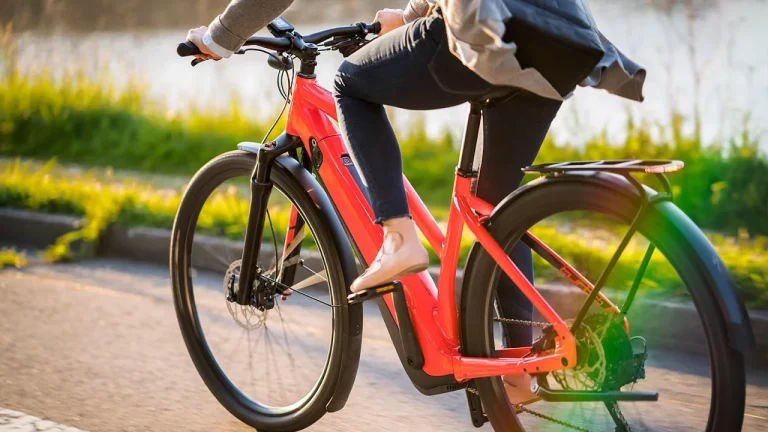
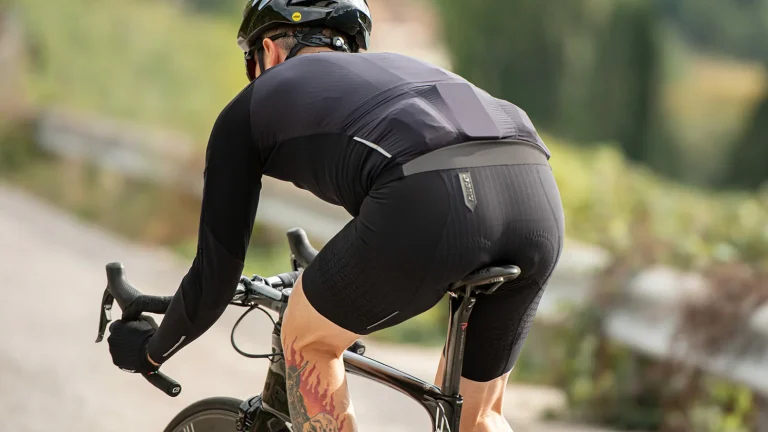
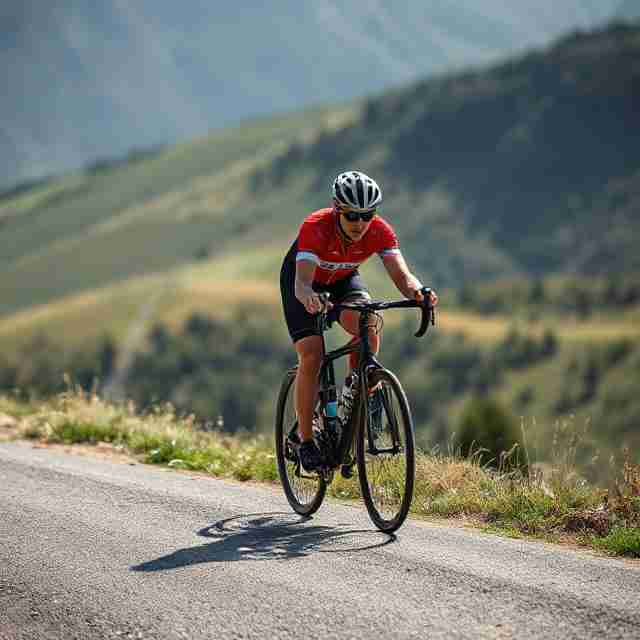
If you’re reading this, you’ve likely felt the pull of the open road, the freedom, the fitness challenge, and the simple joy of moving under your own power. But getting started on your cycling journey can feel overwhelming. Maybe you’re worried about saddle soreness, running out of steam too far from home, or just not knowing where to begin with a reliable routine. That’s why having a structured cycling training plan for beginners is essential.
I’m here to tell you that becoming a confident cyclist capable of crushing a 30-mile ride isn’t a pipe dream; it’s just a matter of following this smart, sustainable plan. This is not about immediately dropping hundreds of dollars on performance gear or cycling 100 miles a week. This is about building a solid foundation, safely, step-by-step, right from your first pedal stroke.
Who is This Plan For?
Let’s be clear: this plan is designed for the true beginner.
- You’re brand new to fitness or cycling. Maybe you haven’t been on a bike since childhood, or you just dusted off a cruiser that’s been sitting in your garage.
- You want a tangible, achievable goal. Our main objective? To comfortably complete a 20-30 mile (32-50 km) ride within the next eight weeks. This distance is the perfect entry point for group rides, organized events, or simply exploring your local area with confidence.
- You need structure and accountability. We strip away the confusing jargon and focus on time on the bike and perceived effort, not complicated heart rate zones or power meters.
Why a Structured Plan Works
It’s tempting to just hop on your bike and ride until you’re tired. While that works for one or two rides, it’s a fast track to injury and burnout. A structured plan, created by experts, solves three major problems for the novice cyclist:
- Prevents Injury and Burnout: It ensures you don’t do too much, too soon. Cycling should be fun, not painful. By respecting rest days and gradually increasing distance, you allow your body time to adapt, especially those crucial muscles you never knew you had!
- Guarantees Progressive Overload: This is the fancy term for how you actually get stronger. We systematically challenge your cardiovascular system and muscles just enough each week so you are always improving without getting hurt.
- Builds Mental Confidence: Knowing you successfully completed last week’s rides is the best motivation for tackling the next one. By Week 7, you won’t be hoping you can finish 30 miles; you’ll know you can.
Essential Preparation and Gear Checklist
Before we dive into the weekly schedules, let’s talk about the hardware and comfort. The old saying goes, “The bike doesn’t make the rider,” but the right bike and gear certainly make the ride better. Taking ten minutes now to dial in your setup will save you hours of discomfort and hassle later. This preparation phase is crucial for ensuring your cycling training plan for beginners starts smoothly and safely.
Choosing the Right Bike for Your Goals

Many beginners assume they need a fancy road bike immediately. Not true. The best bike is always the one you already have that’s in good working order. However, if you are buying, consider what you are genuinely aiming for when you start your beginner cycling distance efforts:
- Hybrid Bikes: These are the perfect all-rounders. They are comfortable, stable, and great for light trails, commuting, and general city riding. If your goal is primarily fitness and cruising with an upright posture, this is a fantastic starting point.
- Road Bikes: These machines are built for speed and efficiency on pavement. They are lighter and faster, but they require a more aggressive, bent-over posture. Don’t rush into a road bike unless you’re already focused purely on performance and long-distance speed.
- Mountain Bikes (MTBs): While great for trails, they are heavy and slow for pure road riding due to their knobby tires. If your local routes are mostly dirt, gravel, or true off-road terrain, an MTB works. Otherwise, stick to road or hybrid.
The most important takeaway, regardless of the bike type, is Bike Fit. Even the most expensive equipment will cause pain and inefficiency if it doesn’t fit you correctly. The simplest, most critical adjustment for comfort and power is your Saddle Height. When your pedal is at its lowest point (6 o’clock position), your leg should have a slight, natural bend, almost 80%−85% extended. A saddle that’s too low is a common mistake that is both inefficient and taxing on your knees.
Non-Negotiable Safety Gear
In cycling, safety is never optional. These items aren’t expensive accessories; they are necessities for every single ride under this beginner cycling training plan.
- Helmet: This is number one. Ensure it fits snugly: it should sit level on your head, the straps should make a “V” shape just below your ears, and you should be able to fit only one finger-width of space between your chin and the strap. Helmets should be replaced immediately after any significant crash, even if you don’t see visible damage, as the structural integrity might be compromised.
- Front and Rear Lights: Yes, you need them, even if you ride exclusively during the day. Running a rear flashing light dramatically increases your visibility to drivers. It is inexpensive, proactive insurance that makes you much easier to spot.
- Basic Repair Kit: Getting comfortable with fixing a flat tire is a fundamental rite of passage for every cyclist. Your kit should include a spare inner tube, two sturdy tire levers, and a small frame-mounted pump or a CO2 inflator. Don’t panic, it’s easier than it seems. Simply watch a 5-minute YouTube tutorial and practice once in your living room before hitting the road.
Clothing and Comfort
Cycling comfort is all about managing friction and moisture. While you can save money by wearing athletic t-shirts, you should invest wisely in two key items to truly enjoy your time on the bike.
- Padded Cycling Shorts: If there is one piece of specialized gear that will truly change your enjoyment of cycling, it’s this. Don’t wear underwear under padded shorts; the padding (known as the chamois) is specifically designed to sit directly against your skin to minimize friction and prevent irritation. This single item is the best defense against saddle soreness and will be crucial as you increase your beginner cycling distance goals.
- Hydration Setup: For this eight-week program, you need at least one water bottle cage and a large bottle (two is even better). For any ride lasting longer than an hour, water alone isn’t enough; you will need to add electrolytes to your bottle to replace the essential salts and minerals lost through sweat.
The Fundamentals of Beginner Training
Now that you and your bike are ready, let’s look at the foundational concepts that will guide your training. You don’t need a degree in exercise physiology, just a few simple tools to measure your effort and keep you on track.
Understanding Perceived Exertion (RPE)
Forget heart rate monitors for now. As a beginner, the easiest and most accurate way to measure effort is the Rating of Perceived Exertion (RPE) scale, which runs from 1 (sitting on the couch) to 10 (all-out sprint). This scale is your best friend when executing your cycling training plan for beginners.
- Zone 2 (RPE 3-4): The Conversational Pace. This is where you build your aerobic base. You should be able to carry on a full conversation without gasping for breath, but you shouldn’t be singing either. About 80% of your training in the next eight weeks will be done in this zone. It feels easy, but it’s magically effective at building endurance.
- Tempo (RPE 5-6): Controlled Hard. This is where talking becomes difficult, limited to single sentences. You’ll introduce short bursts of this effort to help prepare your body for hills or faster group riding later in the plan.
Key Metrics to Track (Beyond Speed)
It’s tempting to look at your average speed, but that metric is volatile and easily ruined by traffic lights or headwinds. Instead, focus on these:
- Consistency: The number of days you actually got out and rode. This is, without a doubt, the most important metric for any beginner.
- Time on Bike: Track the total hours you spent cycling each week. This is a better measure of endurance than distance, especially early on.
- Cadence: This is the rate at which you pedal, measured in revolutions per minute (RPM). Aiming for an easy, efficient 80-90 RPM is better for your knees and cardiovascular system than grinding away in a heavy gear at 50 RPM. Learn to “spin” rather than “push.”
The 10% Rule for Progression
This is the golden rule for any endurance athlete, and it’s the secret to successfully executing any cycling training plan for beginners without getting injured.
Expert Tip: Never increase your weekly distance or total time on the bike by more than 10% over the previous week.
If your long ride last week was 10 miles, your long ride this week should be no more than 11 miles. This slow, methodical increase gives your joints, tendons, and muscles time to adapt to the new stresses, avoiding the common beginner pitfalls like knee pain or achilles issues.
The 8-Week Progressive Training Blueprint (The Plan)
This is the core of your training. We’ve structured this plan using the 10% rule to ensure you build up your endurance safely, culminating in a test ride that covers your full beginner cycling distance goal. Remember, this schedule relies on three types of training days: Skill/Short Ride, Long Endurance Ride, and Cross-Training.
| Week | Focus | Short/Skill Rides (2x per week) | Long Endurance Ride (1x per week) | Total Cycling Time/Distance |
|---|---|---|---|---|
| 1-2 | Base Building (Consistency) | 30 minutes, flat ground, RPE 3. Practice stopping/starting and shifting. | 60-90 minutes, RPE 3. Aim for 8-10 miles. | 3-4 Hours |
| 3-4 | Introducing Hills & Tempo | 45 minutes, incorporate 2-3 short, manageable hills. RPE 5 for short bursts. | 90 minutes, RPE 3. Aim for 12-15 miles. | 4-5 Hours |
| 5-6 | Endurance Focus | 60 minutes, flat or rolling terrain. Focus on smooth, consistent pedaling (cadence). | 120 minutes, RPE 3. Aim for 18-22 miles. | 5-6 Hours |
| 7 | Final Prep & Peak | 45 minutes, light spinning, RPE 2. (This is a Taper week!) | 150 minutes (Your Goal Distance: 25-30 miles). | 5-7 Hours |
| 8 | Recovery & Next Steps | 30 minutes, easy spin. | Full rest or light cross-training. Enjoy your fitness! | 1 Hour |
The Essential Weekly Schedule Breakdown
Cycling isn’t just about riding; it’s about balance. Here is how your week should generally look to optimize your results and recovery.
- Day 1: Rest/Mobility. No structured exercise. Focus on light stretching or foam rolling.
- Day 2: Short/Skill Ride (e.g., 45 min).
- Day 3: Cross-Training/Strength. 30 minutes of low-impact activity like walking, yoga, or simple core strength exercises (see below).
- Day 4: Short/Skill Ride (e.g., 45 min).
- Day 5: Rest. A second full rest day is vital for beginner muscle repair.
- Day 6: Long Endurance Ride. The most important session of the week. This is where you build confidence and truly adapt to the demands of a longer beginner cycling distance.
- Day 7: Active Recovery/Rest. A very light walk or easy 20-minute spin, or simply another rest day.
Supporting Your Training: Fueling and Conditioning
You can have the perfect bike and the perfect plan, but if you treat your body like a poorly maintained engine, you won’t get far. Nutrition and off-bike strength work are the crucial supporting pillars of this cycling training plan for beginners.
Beginner Nutrition Strategy
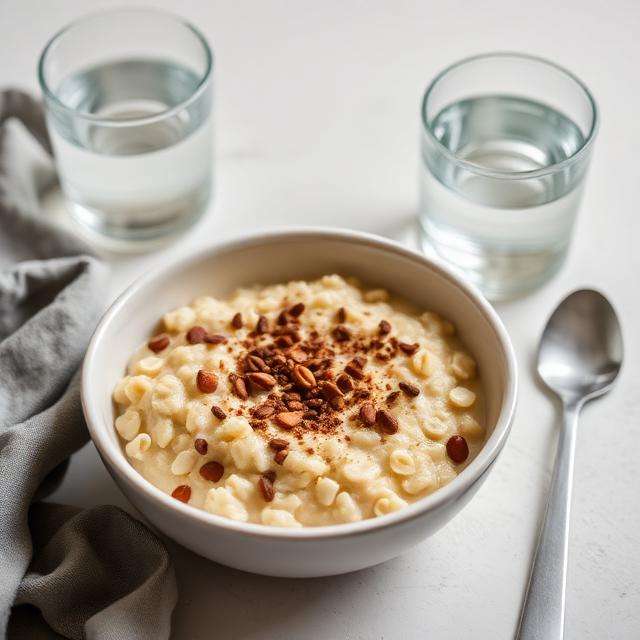
For rides under 90 minutes, you mostly need water, but for the longer endurance rides (especially from Week 3 onward), you must fuel. You cannot rely on energy reserves alone.
- Pre-Ride: Have a simple meal or snack 60−90minutes before your ride. Focus on easily digestible carbohydrates like a banana, oatmeal, or a slice of toast. Avoid high-fiber or high-fat foods that could cause stomach distress.
- During Ride (for rides > 90 min): This is where many beginners fail. You need to consume 30-60 grams of carbohydrates per hour after the first hour. This might sound clinical, but it translates to one energy gel, a small energy bar, or a handful of dried fruit every 45−60 minutes. This continuous input keeps your energy reserves from hitting “empty.”
- Post-Ride: Refuel within 60 minutes. Focus on a meal or shake that combines protein and carbohydrates (e.g., eggs on toast, chicken and rice, or a protein recovery shake). Protein repairs muscle; carbohydrates refill your energy tank.
Hydration Protocol
Cycling is deceptively sweaty. You need a dedicated hydration protocol.
- Drink before you’re thirsty. Thirst is a sign that you are already dehydrated.
- Aim for one full bottle (20−24 oz) of fluid per hour of cycling.
- For longer rides, ensure your bottle contains electrolytes to replace the salts lost through sweat. Water alone will dilute the salts left in your body, leading to cramping and fatigue.
Off-Bike Strength and Mobility (Injury Prevention)
You need to build stability so your body can handle the repetitive motion of cycling. Cyclists often neglect their core and posterior chain (glutes and hamstrings), which can lead to lower back pain and knee issues. 30 minutes, twice a week, is all you need.
- Core: Planks (regular and side) are simple, highly effective. Aim for 3×60 second holds.
- Glutes/Hamstrings: Bodyweight squats, glute bridges, and lunges are your best friends. These strengthen the muscles that stabilize your hips and knees, ensuring a pain-free execution of your cycling training plan for beginners.
Troubleshooting Common Beginner Obstacles
Every new cyclist hits the same walls. Knowing how to prepare for and overcome them is the difference between quitting and becoming a lifelong cyclist.
Conquering Saddle Soreness
This is the number one complaint from new cyclists. It’s a combination of pressure, friction, and moisture.
- Wear the right shorts (see Phase 1). Padded shorts are mandatory.
- Use Chamois Cream. This specialized lubricant minimizes friction and prevents chafing. Apply it directly to the pad of your shorts or to the skin before riding.
- Stand Up! Every 10−15 minutes, lift your butt slightly off the saddle for a few seconds. This restores blood flow and relieves pressure.
- Keep it Clean. Shower immediately after your ride and wash your cycling shorts promptly to prevent bacterial buildup.
Dealing with Fatigue and Burnout
If you find yourself dreading your rides or constantly feeling exhausted, your body is telling you to take a break.
- Respect the Rest Days: Rest is not weakness; it is where the adaptation happens. Muscles don’t get stronger while you ride; they get stronger while you recover.
- Don’t Chase Speed: Remember that the purpose of Zone 2 training is simply to accumulate Time on Bike. If you feel tired, slow down. Stick to RPE 3-4.
- Check Your Sleep and Hydration: Fatigue is often just a symptom of poor sleep or chronic dehydration. Dial in those basics first.
What to Do If You Miss a Week
Life happens. Maybe you got sick or traveled and missed a full week of the beginner cycling training plan.
Crucial Advice: Do not try to “catch up” by doubling your distance or skipping the rest days. This leads directly to injury. Instead, return to the plan at 80%of your last successful week’s long ride distance. This gentle step back ensures safety and prevents burnout. For example, if you finished Week 4 (15 miles) successfully, but missed Week 5, start back with a 12-mile long ride, then proceed to the original Week 5 distance the following week.
Frequently Asked Questions (FAQ)
We know a few common questions always pop up when starting a new beginner cycling distance challenge. Here are the quick answers you need.
Do I need clip-in pedals (clipless)?
No, definitely not for the first eight weeks. Clip-in pedals (the ones that lock your shoes onto the bike) are fantastic for efficiency and speed, but they introduce a steep learning curve and a minor fall risk while you learn to unclip. Stick to regular flat pedals for this cycling training plan for beginners. Focus on consistency first; you can upgrade your pedals later when you’re ready to focus on performance gains.
How often should I train per week?
This plan suggests three structured cycling days (two short, one long) and one cross-training/strength day, totaling four days of activity, plus three days of rest/recovery. For a true beginner, this schedule provides the perfect balance of challenging your body while ensuring you have ample time to recover and adapt. Consistency across these days is far more important than intensity.
How fast should I be riding?
Forget about speed entirely right now. For 80% of your riding (the Zone 2 work), you should be focusing solely on Perceived Exertion (RPE 3-4) and the ability to maintain a comfortable conversation. Speed is secondary and will naturally improve as your fitness builds. If you find yourself pushing too hard just to hit a specific average speed, you are working against the aerobic base building that this cycling training plan for beginners is centered around.
What if I can’t ride the long ride outdoors?
Inclement weather or daylight limits happen. If you can’t ride your long distance session outside, you have great alternatives. You can use a stationary bike, a spin class, or even put your own bike on a basic trainer. The key is maintaining the prescribed time and RPE. For example, a 90-minute outdoor ride should translate to a 90-minute indoor session at the same easy RPE level.
Conclusion: What Happens After Week 8?
Congratulations! You have achieved a major milestone. By successfully following this cycling training plan for beginners, you have transformed your body and your mental limits. That 30-mile ride is no longer a challenge, but a comfortable outing.
Now that you have the fitness base, the next steps are entirely up to you. You could move on to an Intermediate Plan aimed at completing a Metric Century (62 miles), join a local cycling club ride, or simply enjoy your newfound ability to explore the world further.
Keep riding, keep exploring, and remember that every cyclist, even the professionals, started with their very first pedal stroke. Welcome to the cycling life!
About the Author