Remember that feeling? Your legs suddenly feel like they’re filled with wet sand. Every slight incline feels like a mountain, and your willpower is draining as fast as your energy. You’ve bonked. Hit the wall. And it’s a miserable place to be.
If you’re tired of your rides ending this way and you dream of effortlessly clocking those extra miles, you’ve come to the right place. I’ve been there, and as a cycling coach, I’ve guided hundreds of riders through the exact same frustration. The good news? Building incredible endurance isn’t about magic or superhuman talent. It’s about training smarter.
This guide is your roadmap. We’ll move beyond just piling on miles and dive into the proven cycling exercises for endurance that will rewire your body, the fueling strategies that keep your engine running, and the mindset that turns a long ride from a chore into a joy. Let’s get you to a place where you finish your rides feeling strong, not shattered.
The Foundation: It’s Not Just About Riding More
Before we jump into the specific workouts, we need to lay the groundwork. Think of this as building the foundation of a house. Without a solid base, anything you build on top will be shaky. Endurance is built on three core pillars: consistency, understanding your body’s signals, and proper fuel.
The Golden Rule: Consistency is Your Superpower
If you take away only one thing from this guide, let it be this: consistency beats intensity every single time.
Imagine two riders. Rider A goes out on Saturday and does a brutal, four-hour sufferfest. They’re so wrecked they don’t touch their bike for the rest of the week. Rider B rides four times a week for 60 minutes each, at a manageable pace.
After a month, Rider B will be significantly faster and have better endurance than Rider A. Why? Because endurance is built by regularly stressing your aerobic system, not by breaking it down once a week. Your body adapts to the gentle, repeated stimulus, building new capillaries and mitochondria (your body’s energy factories) to handle the load. A crushing ride once a week just leads to fatigue and burnout.
Aim for regularity. Three to four rides per week, even if some are short, will do far more for your cycling stamina than one epic weekend warrior session.
Listen to Your Body: Understanding Heart Rate and Power
To train consistently without overdoing it, you need to know how hard you’re actually working. This is where data comes in, but don’t worry, we’ll keep it simple.
- Heart Rate Training: Think of your heart rate monitor as your body’s tachometer. It shows how hard your engine is revving. For building your aerobic base, the bedrock of endurance, you want to spend most of your time in Zone 2. This is a pace where you can comfortably hold a conversation. You’re working, but you’re not straining. A reliable heart rate monitor (a chest strap is most accurate) is a fantastic tool for this.
- Power Meter Training: If heart rate is the tachometer, a power meter is your direct horsepower gauge. It measures exactly how much power you’re putting into the pedals, in watts. This isn’t affected by how tired you are or how hot it is outside. Training with power allows for incredibly precise workouts. You’ll often hear cyclists talk about their “FTP” or Functional Threshold Power, which is the highest power you can sustain for an hour. This number becomes the anchor for all your training zones.
You don’t need a power meter to improve, but it’s a powerful tool. The key takeaway is to learn what an easy, conversational pace truly feels like. Most riders go too hard on their easy days and too easy on their hard days. Nail this, and you’re halfway there.
Fueling the Engine: You Can’t Drive on Empty
I see this mistake all the time: riders with fantastic fitness who fail their long rides because they forgot to eat. Your body is like a high-performance car. You wouldn’t try to drive a Ferrari on cheap, dirty fuel, right? Your body is the same.
Endurance cycling is an eating and drinking competition with a bit of exercise thrown in.
- Before the Ride: Top off your glycogen stores (your body’s preferred fuel) with a carb-rich meal 2-3 hours before you roll out. Think oatmeal, a bagel, or rice.
- During the Ride: This is non-negotiable. Start eating before you feel hungry. Aim for 30-60 grams of carbohydrates per hour on rides longer than 90 minutes. This is where cycling nutrition like energy gels, chews, or even a simple banana come in. Don’t forget to drink an electrolyte mix to replace the salts you lose through sweat, plain water often isn’t enough.
- After the Ride: Recovery starts as soon as you finish. Have a snack or drink with protein and carbs within 30-60 minutes to kickstart muscle repair.
Getting your fuel right is a game-changer. It’s the difference between bonking at mile 50 and feeling fresh as you cruise past mile 80.
The 5 Essential Cycling Exercises for Endurance
Now for the fun part, the workouts themselves. These are the bread-and-butter sessions that will systematically build your engine. I’ve ordered them from most fundamental to most advanced.
1. The Steady State Zone 2 Ride: Your Bread and Butter
This is the single most important workout for building endurance. It might feel easy, but that’s the point.
- The Goal: This ride builds your aerobic base like nothing else. It trains your body to burn fat for fuel more efficiently, develops your capillary network, and makes you a more economical cyclist.
- How to Do It: Head out for 60 to 90 minutes (or longer!) and maintain a steady, conversational pace. You should be able to breathe easily and speak in full sentences. If you use heart rate, this is solidly in Zone 2. On a perceived exertion scale of 1 to 10, it’s a 5 or 6.
- Pro Tip: A flat bike path or a rail trail is perfect for this. If you’re on an indoor trainer, use an “ERG mode” workout that locks your power into Zone 2, preventing you from accidentally drifting harder.
2. The Tempo Ride: Building Strength Endurance
The Tempo ride bridges the gap between easy base miles and punishing threshold efforts. It’s “comfortably hard” and is fantastic for building muscular endurance, which is crucial for rolling hills or riding into a headwind.
- The Goal: To improve your body’s ability to sustain a strong, steady pace for long periods and clear lactate more efficiently.
- How to Do It: After a 15-minute warm-up, ride for 2-3 blocks of 20 minutes each at a Tempo pace. This pace feels strong and purposeful, you can say a short sentence, but not hold a full conversation. Your heart rate will be in Zone 3. Recover with 10 minutes of easy spinning between blocks.
- Pro Tip: This workout is perfect for a rolling route. Focus on maintaining a consistent power output up and over the hills instead of surging and coasting.
3. Sweet Spot Training: The Secret Weapon for Busy Riders
Short on time? Sweet Spot training is your best friend. It delivers a massive bang for your buck by having you ride at an intensity that is high enough to provoke significant adaptations, but low enough that you can recover quickly.
- The Goal: To get very similar benefits to harder Threshold training, but with far less fatigue. It’s incredibly efficient for boosting your FTP and endurance.
- How to Do It: After warming up, complete 2-3 intervals of 15 minutes each at 88-94% of your FTP (if you know it). This is right below your time-trial effort. Recover with 5 minutes of easy spinning between intervals.
- Pro Tip: This is the king of indoor cycling workouts. Apps like Zwift and Trainer Road are built around Sweet Spot intervals because they are so effective and time-efficient.
4. The Long Ride with Surges: Practice for the Real World
If you ever want to ride in a group or race, this workout is essential. It teaches your body how to handle the unpredictable nature of real-world cycling, where you aren’t just churning out a steady wattage. You’re simulating attacks on hills, bridging gaps, and then settling back into a rhythm.
- The Goal: To improve your body’s ability to recover while still moving. This is a skill, and it’s what separates good endurance cyclists from great ones.
- How to Do It: Plan for a long ride, at least two hours, primarily in that steady Zone 2 pace we talked about. Then, every ten minutes or so, throw in a surge. Get out of the saddle and ramp up your effort for 30 to 60 seconds, enough to get your heart pounding. Then, consciously settle back into your comfortable Zone 2 pace, focusing on recovering on the bike.
- Pro Tip: This is a fantastic way to break up the monotony of a long, solo ride. Use landmarks as your trigger: “I’ll surge to the next stop sign” or “I’ll push over the top of this small hill.” It makes the time fly by and builds tremendous fitness.
5. Over-Unders: Advanced Mental and Physical Toughness
Let’s be honest: this one is tough. I’m introducing it because it’s incredibly effective, but it’s for cyclists who have already built a solid base with the previous workouts. This exercise trains your body to handle rapid changes in intensity, which is crucial for hard climbs or responding to repeated attacks.
- The Goal: To push your lactate system to its limits, increasing your ability to buffer acid and recover from hard efforts. This is as much a mental workout as a physical one.
- How to Do It: After a thorough warm-up, you’ll do intervals where you alternate your effort every minute. For a 10-minute interval, you’ll spend one minute just above your threshold (around 105% of FTP), and the next minute just below it (around 85% of FTP). That’s one 10-minute block. Recover with 5-10 minutes of easy spinning and repeat 2-3 times.
- Pro Tip: This workout is a beast. Don’t be discouraged if you find it overwhelming at first. The “under” minute never feels as easy as you want it to, and that’s the point. It’s teaching your body to clear lactate under pressure. Save this for when you’re feeling fresh and motivated.
Weaving It All Together: Your Weekly Training Plan
Knowing the exercises is one thing; putting them into a logical weekly structure is another. You can’t do all of these, all the time. That’s a surefire path to overtraining. Here’s a sample week for a cyclist aiming to build endurance with 4-5 hours to train. This is just a template, feel free to adapt it to your life.
- Monday: Rest Day. Your body gets stronger when you rest, not when you train. Don’t skip this.
- Tuesday: Sweet Spot Intervals (60 mins total). After a 15-min warm-up, complete 3 x 12-minute Sweet Spot intervals with 5-minute recoveries. Cool down.
- Wednesday: Active Recovery (30-45 mins). This is super easy spinning. Keep your heart rate in Zone 1. The goal is to get blood flowing to your muscles to help them recover, not to build fitness.
- Thursday: Tempo Intervals (75 mins total). Warm up for 15 minutes, then complete 2 x 20-minute Tempo blocks with a 10-minute easy spin between them.
- Friday: Rest Day or very light active recovery (like a walk).
- Saturday: Long Steady-State Ride (2-3 hours). This is your Zone 2 bread-and-butter ride. Focus on consistency and fueling. You can add a few gentle surges in the second half to practice changing pace.
- Sunday: Optional Fun Ride (60-90 mins). This could be a social group ride (where the intensity will naturally vary) or an easy exploration ride. Keep the pressure low and enjoy being on the bike.
The magic is in the balance. You have hard days (Tuesday, Thursday), a long day (Saturday), and easy/recovery days. This cycle of stress and rest is what leads to real, sustainable progress.
The Right Gear: Your Endurance Support System
Let’s talk gear. While a strong will and smart training are the real keys, having the right tools can make your journey toward epic endurance much more comfortable and effective. Think of these not as frivolous purchases, but as investments in your consistency and enjoyment.
Indoor Smart Trainers: The Ultimate Consistency Machine
I know, riding inside can seem boring. But hear me out. An indoor smart trainer is the single best tool for executing the precise workouts we’ve discussed, regardless of weather, traffic, or daylight.
It automatically adjusts resistance to hold you at your exact target power, whether that’s in Zone 2 or Sweet Spot. This takes all the guesswork out of your training. When you only have an hour, you can get a maximally effective session without stopping for lights or coasting downhill. For time-crunched cyclists, it’s a game-changer. Brands like Wahoo with their KICKR, Tacx, and Elite make fantastic models that connect to apps like Zwift, making the sessions engaging and even fun.
Bike Computers and Power Meters: Training with Precision
Your bike computer is the mission control for your data. Pair it with a heart rate strap and, if you’re ready to take that step, a power meter.
A power meter, like those from Stages or Favero, gives you that direct, real-time feedback on your effort we talked about. It tells you exactly what you’re doing, not just how it feels. This is invaluable for staying disciplined on your long Zone 2 rides and for pushing the right intensity during intervals. It removes ego and guesswork from the equation.
Nutrition and Hydration: Don’t Get Caught Out
You can have the fitness of a pro, but without fuel, you’re going nowhere. Having the right products on hand makes it easy to stick to the fueling plan.
- Electrolyte Mix: This is more important than most people realize. Sweating isn’t just losing water; it’s losing salts essential for muscle function. An electrolyte tab or mix in your bottle prevents cramping and bonking far better than water alone.
- Easy Carb Sources: Find what works for your stomach. Energy gels from brands like GU or Science in Sport provide a quick, portable carb hit. Chews are a great alternative if you prefer to “eat” something. The key is to have a stash you enjoy and will actually use.
- Recovery Drink: After a long or hard ride, your body is screaming for nutrients. A quality recovery drink with a mix of protein and carbs is a convenient way to kickstart the repair process when you might not feel like eating a full meal.
The Comfort Factor: Bib Shorts and Saddles
Endurance isn’t just about your legs and lungs; it’s about being able to sit in the saddle happily for hours on end. Discomfort is a major barrier to building mileage.
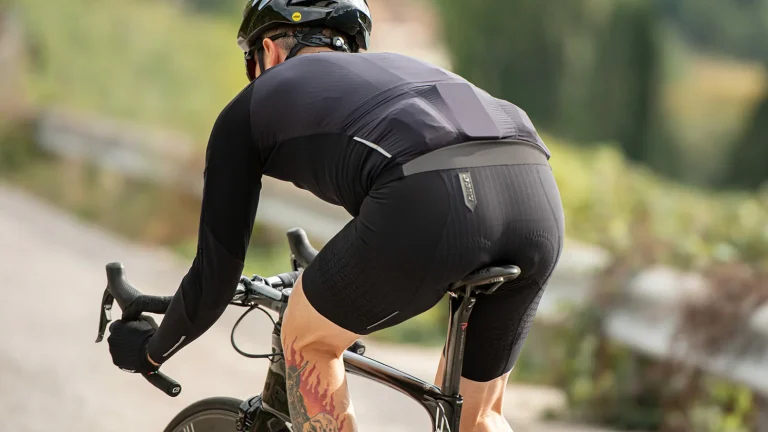
This is where you should not cheap out. A high-quality pair of bib shorts with a premium chamois isn’t a luxury; it’s a necessity. The better support and padding will make a world of difference on three-hour rides. Similarly, a saddle that fits your anatomy is priceless. Many local bike shops offer saddle demo programs, use them! Finding the right one can feel like finding Cinderella’s slipper, and it’s worth the effort.
Final Thought: Your Journey Starts with One Turn of the Pedal
I still remember the first time I truly understood endurance. It wasn’t on a podium; it was on a solo ride where I realized I had ridden further than ever before, and I still had a smile on my face. I felt strong, capable, and deeply connected to the bike. That feeling is what we’re chasing.
Building endurance is a journey, not a destination. It’s about the gradual accumulation of consistent rides, the lessons learned from a bonk, and the quiet confidence that grows when you know you can handle whatever the road throws at you.
You now have the blueprint. You don’t need to do everything at once. Start with one thing. Maybe this week, you focus entirely on nailing your Zone 2 pace. Next week, you try adding a Tempo block. The week after, you dial in your nutrition.
The road is waiting for you, and it goes on for miles and miles. Now, you have the tools to go out and explore it.
Ride safe, and I’ll see you out there.
About the Author