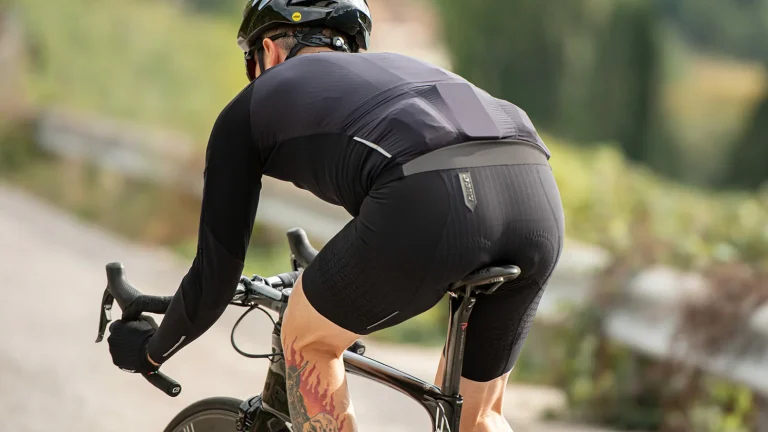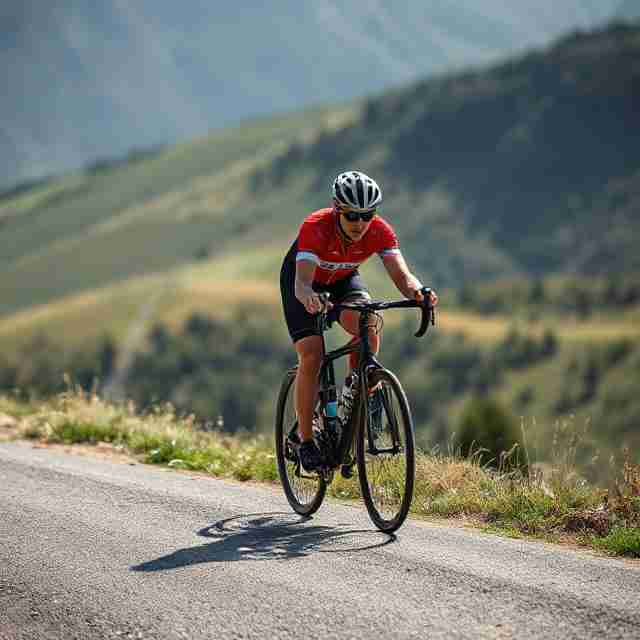
You just finished an incredible 50-mile ride. Your legs feel like jelly, your lower back is screaming, and you can barely straighten up to walk to your car. Sound familiar? Here’s the thing: most cyclists skip the one practice that could transform their riding experience and prevent years of nagging pain. I’m talking about stretching, and no, it’s not just for yoga enthusiasts or runners.
I learned this lesson the hard way after developing knee pain so bad I couldn’t ride for three months. My physical therapist told me something that changed everything: “Your muscles are as tight as guitar strings, and every pedal stroke is pulling them tighter.” That’s when I discovered that proper cycling stretches weren’t optional, they were essential.
Whether you’re a weekend warrior or training for your first century ride, understanding when and how to stretch can be the difference between riding pain-free for decades or fighting constant injuries. This guide will show you exactly which stretches to do, when to do them, and how they’ll make you a better cyclist. Let’s dive in.
Why Every Cyclist Needs a Stretching Routine
Cycling is incredible for building cardiovascular fitness and leg strength, but it comes with a unique problem. You’re locked in the same position for hours, repeating the same motion thousands of times. Your hip flexors stay shortened, your hamstrings remain slightly bent, and your back curves forward over the handlebars.
This repetitive position creates muscle imbalances that build up over time. Your hip flexors become tight and pull your pelvis forward. Your hamstrings lose flexibility from never fully extending. Your lower back compensates for everything, leading to chronic pain and discomfort.
The benefits of adding stretches for cyclists into your routine go far beyond just feeling good. Proper flexibility improves your pedaling efficiency because your muscles can move through their full range of motion. This means more power transfer to the pedals and less wasted energy fighting against tight muscles.
Stretching also plays a massive role in injury prevention. The most common cycling injuries like IT band syndrome, knee pain, and lower back problems often stem from tight, inflexible muscles pulling joints out of proper alignment. A consistent stretching routine addresses these issues before they become serious problems.
Recovery is another huge benefit. When you stretch after riding, you’re helping flush out metabolic waste products that build up in your muscles during exercise. This means less soreness the next day and faster recovery between training sessions. You’ll be able to ride more frequently without feeling beaten up.
Finally, better flexibility allows you to achieve a more aerodynamic position on the bike. If you’re too tight to comfortably reach your handlebars or maintain a low position, you’re fighting your own body and creating unnecessary drag. Improved flexibility through regular stretching makes holding efficient positions much easier.
Understanding Pre Ride and Post Ride Stretching
The timing of your stretching matters just as much as the stretches themselves. Many cyclists make the mistake of doing deep static stretches before riding, which can actually reduce power output and increase injury risk when done cold.
Before you ride, your goal is to warm up your muscles and activate the movement patterns you’ll use on the bike. This is where dynamic stretching comes in. Dynamic stretches involve controlled movements that take your joints and muscles through their range of motion without holding any single position.
Think of pre ride stretches as preparing your body for action. You want to increase blood flow, raise your core temperature slightly, and remind your nervous system what’s about to happen. This takes only five to ten minutes but makes a noticeable difference in how you feel during the first part of your ride.
After cycling is when static stretching becomes your best friend. Your muscles are warm and pliable, making this the perfect time to work on flexibility and release tension. Post ride stretches should be held for 30 to 60 seconds each, allowing the muscle fibers to lengthen and relax.
The ideal window for post ride stretching is within 30 minutes of finishing your ride. Your muscles are still warm, and you’re helping guide them back to their normal resting length rather than letting them tighten up as they cool down. This is when you’ll see the biggest benefits for flexibility and recovery.
On rest days, you can do longer, deeper stretching sessions focused purely on improving flexibility. These sessions can last 20 to 30 minutes and target the areas where you feel tightest. Rest day stretching helps maintain and build on the flexibility gains from your post ride routines.
Essential Dynamic Stretches Before Cycling

Starting your ride with the right warm up stretches prepares your body for the work ahead. These movements should be done in a gentle, controlled manner without forcing anything. Do them in your cycling kit right before you clip in.
Leg Swings are perfect for loosening up your hip flexors and hamstrings. Stand next to your bike or a wall for balance and swing one leg forward and backward in a controlled motion. Do 10 to 15 swings per leg, gradually increasing the range of motion. Then switch to side-to-side swings to open up your inner thighs and outer hips.
Walking Lunges with a Twist activate your quads, glutes, and hip flexors while also warming up your core. Step forward into a lunge, making sure your front knee doesn’t extend past your toes. As you sink into the lunge, twist your torso toward your front leg. Alternate legs for 10 lunges total. This movement mimics the hip flexion and extension you’ll do while pedaling.
High Knees get your heart rate up and activate your hip flexors. March in place while bringing your knees up toward your chest. Do this for 30 seconds at a comfortable pace. Focus on lifting your knees high rather than moving quickly.
Butt Kicks warm up your hamstrings and knees. Jog in place while kicking your heels up toward your glutes. Again, 30 seconds is plenty. This movement takes your knees through the full range of motion you’ll use while cycling.
Arm Circles and Shoulder Rolls prepare your upper body for holding the handlebars. Make large circles with your arms going forward for 10 repetitions, then backward for 10. Roll your shoulders up, back, and down for another 10 reps. This prevents the neck and shoulder tension that builds up during long rides.
A quick five minute routine combining these movements will have you ready to ride. You should feel warm, loose, and ready to perform without any stiffness or cold muscles holding you back.
The Most Important Post Ride Static Stretches

After you finish riding, these stretches should become as automatic as unclipping from your pedals. Find a comfortable spot and work through each one slowly and deliberately. Remember to breathe deeply and never stretch to the point of sharp pain.
Standing Quad Stretch targets the muscles on the front of your thigh that work hard with every pedal stroke. Stand on one leg and pull your other foot toward your glutes. Keep your knees together and push your hips slightly forward to increase the stretch. Hold for 45 seconds on each leg. If balance is tough, use your bike or a wall for support.
Hamstring Stretch is crucial because your hamstrings stay in a shortened position throughout your ride. Stand with one foot elevated on your bike seat or a bench. Keep that leg straight and hinge forward from your hips, not your back. You should feel the stretch along the back of your thigh. Hold for 45 seconds per leg. For a seated variation, sit on the ground with legs extended and reach toward your toes.
Hip Flexor Stretch might be the single most important stretch for cyclists. Kneel on one knee with your other foot planted in front. Push your hips forward while keeping your torso upright. You should feel a deep stretch in the front of your hip on the kneeling side. Hold for 60 seconds per side. These muscles get incredibly tight from the bent hip position on the bike.
Pigeon Pose releases your glutes and the piriformis muscle deep in your hip. If you can’t do a full pigeon pose, try the figure four stretch instead. Sit on the ground and cross one ankle over the opposite knee, then pull that knee toward your chest. This stretch prevents the sciatic nerve irritation that many cyclists experience.
IT Band Stretch helps prevent the dreaded IT band syndrome. Stand and cross one leg behind the other, then lean away from the back leg side. You’ll feel the stretch along the outside of your hip and thigh. Hold for 45 seconds per side. This stretch is preventative maintenance against one of the most common cycling overuse injuries.
Calf Stretches need to address both the gastrocnemius and soleus muscles. For the gastrocnemius, place your hands on a wall with one leg extended straight behind you. Press your back heel into the ground. For the soleus, bend that back knee slightly. Hold each variation for 45 seconds per leg. Tight calves limit your ankle flexibility and reduce pedaling efficiency.
Child’s Pose counteracts the forward bend you maintain on the bike. Kneel on the ground and sit back on your heels while reaching your arms forward. Let your forehead rest on the ground and breathe deeply. This gently stretches your entire back and feels amazing after hours in the saddle. Hold for 60 to 90 seconds.
Cat Cow Stretch restores mobility to your spine. Get on your hands and knees. Arch your back and look up for cow pose, then round your back and tuck your chin for cat pose. Flow between these positions 10 to 15 times. This movement wakes up all the small muscles along your spine that stay locked in one position while riding.
Doorway Chest Stretch opens up your chest and shoulders. Place your forearm on a door frame with your elbow at shoulder height. Step forward and turn slightly away from your arm. You’ll feel the stretch across your chest and front shoulder. Hold for 45 seconds per side. This reverses the rounded shoulder position from hunching over handlebars.
Neck Stretches in all directions release the tension from constantly looking up and forward. Gently tilt your head to one side, holding for 30 seconds. Then tilt forward, backward, and to the other side. Never force these movements. Your neck carries a lot of tension from maintaining your head position while riding.
A complete post ride stretching routine takes 15 to 20 minutes. I know that sounds like a lot when you’re tired and ready to eat, but this is an investment in your long term cycling health. Make it non-negotiable, just like drinking water or eating after a ride.
Stretches for Specific Cycling Problems
Different cyclists develop tightness in different areas based on their riding style, bike fit, and natural flexibility. Learning to identify your problem areas and target them specifically will give you better results.
If you struggle with lower back pain, focus extra attention on your hip flexors, hamstrings, and lower back stretches. Tight hip flexors pull your pelvis forward, which increases the curve in your lower back and creates compression. The child’s pose and cat cow stretches should be done daily, not just after rides.
For knee pain, the quad stretch and IT band stretch become critical. Knee pain in cyclists usually comes from muscle tightness pulling the kneecap out of its proper track. Stretching the muscles around the knee helps everything glide smoothly. Also check your bike fit because saddle height issues often show up as knee pain.
Hip tightness responds well to the pigeon pose and hip flexor stretch. Many cyclists have hips that feel locked up, especially after long rides. Adding a figure four stretch while lying on your back can provide even more relief. Press your opposite hand against the raised knee for a deeper stretch.
Neck and shoulder tension requires regular attention to the doorway chest stretch and neck stretches. Consider adding some shoulder blade squeezes throughout your day. Sit or stand tall and squeeze your shoulder blades together, hold for five seconds, and release. Do this 10 times, several times a day.
Creating Your Personal Stretching Schedule
Consistency matters more than perfection when it comes to flexibility. You’ll see better results from five minutes of stretching after every ride than from one long session per week. Build stretching into your routine so it becomes automatic.
For rides under an hour, commit to at least five key stretches: quads, hamstrings, hip flexors, lower back, and calves. This takes about eight to ten minutes and hits the areas that tighten up most on the bike. Do these stretches every single time you ride, no exceptions.
After longer rides over 90 minutes, do the full 15 to 20 minute routine covering all the stretches mentioned earlier. Your body needs more recovery work after extended time in the saddle, and this comprehensive approach ensures you’re addressing everything.
On rest days, consider a 20 minute flexibility session where you hold stretches even longer, up to 90 seconds each. This is when you’ll make real progress in your overall flexibility. Put on some relaxing music and make it a recovery ritual.
Before any ride, spend just five minutes on dynamic stretches. Leg swings, walking lunges, and arm circles prepare your body without taking much time. You can even do some of these while waiting for riding partners to arrive.
Track your flexibility progress in a simple notebook or app. Note which areas feel tight and whether certain stretches are getting easier. Over 30 days of consistent stretching, you should notice significant improvements in how you feel both on and off the bike.
Common Mistakes to Avoid
Even with the best intentions, cyclists often make stretching errors that limit their benefits or even cause problems. Knowing what to avoid is just as important as knowing what to do.
Skipping stretches entirely is the biggest mistake. I get it, you’re tired after a ride and just want to relax. But this is like skipping maintenance on your bike. Eventually, something breaks down. Make stretching as automatic as refilling your water bottles.
Bouncing during stretches might seem like it helps you go deeper, but it actually triggers a protective reflex in your muscles that makes them tighten up. Static stretches should be smooth and sustained. Move into the stretch gradually and hold steady.
Holding your breath reduces the effectiveness of stretching and creates tension. Breathe deeply and slowly throughout each stretch. Some people find it helpful to breathe in while setting up the stretch, then breathe out as they gently increase the stretch.
Stretching cold muscles increases injury risk. This is why dynamic stretches before riding are light and controlled, and why deep static stretching is saved for after riding when your muscles are warm. Never try to do deep stretches first thing in the morning or when you’re cold.
Overstretching creates micro tears in muscle fibers and can actually make you less flexible over time. Stretch to the point of gentle tension, not pain. You should feel a pull, but it should never hurt. If it hurts, back off immediately.
Not holding stretches long enough means you won’t see improvements. Quick 10 second stretches might feel good in the moment, but they don’t create lasting flexibility changes. Aim for at least 30 seconds per stretch, with 45 to 60 seconds being ideal.
Ignoring painful areas is a natural tendency because stretching tight spots can be uncomfortable. But these are exactly the areas that need the most attention. If something feels particularly tight, that’s your body telling you to spend extra time there.
Tools That Make Stretching Easier
While you don’t need any equipment to stretch effectively, a few simple tools can enhance your routine and help you target areas that are tough to reach with stretching alone.
Foam rollers have become popular for good reason. Rolling out your IT band, quads, and calves before stretching helps release tension in the fascia, the connective tissue surrounding your muscles. Spend one to two minutes on each major muscle group. A basic foam roller costs between 15 and 30 dollars and lasts for years.
Stretching straps or yoga straps help you achieve better form, especially in hamstring stretches. Loop the strap around your foot and use it to pull your leg toward you while lying on your back. This gives you more control and allows you to relax into the stretch. These cost around 10 to 15 dollars.
Massage guns provide percussive therapy that can release tight spots and improve blood flow before stretching. They’re especially helpful for areas like your glutes and lower back that are hard to foam roll. Quality massage guns range from 50 to 300 dollars depending on features.
Yoga blocks help modify stretches if you’re not flexible enough to reach the ground comfortably. They’re particularly useful in pigeon pose or seated forward folds. A set of two blocks costs about 20 dollars.
Several stretching apps provide guided routines specifically designed for cyclists. Apps like StretchIt, ROMWOD, or even YouTube channels dedicated to cycling recovery can walk you through complete sessions. Many offer free versions with basic routines.
Real Results from Consistent Stretching
The benefits of regular cycling stretches compound over time. You might not notice dramatic changes after one session, but after two weeks of consistent stretching, most cyclists report feeling noticeably more comfortable on the bike.
Within a month, you’ll likely see improvements in your riding position. That aerodynamic tuck that used to feel impossible might suddenly feel natural. Your lower back won’t ache as much during long rides. You’ll be able to ride consecutive days without feeling completely wrecked.
After three months of dedicated stretching, many cyclists find they can ride longer distances without discomfort. The chronic issues that used to plague them, like knee pain or hip tightness, either disappear or become much more manageable. Recovery between hard training sessions improves significantly.
Professional cyclists understand this, which is why stretching and flexibility work are built into their training plans. They know that staying flexible and pain-free allows them to train harder and more consistently. You don’t need to be a pro to benefit from this same approach.
The key is patience and consistency. Flexibility improvements happen gradually, not overnight. Commit to the routine, trust the process, and give your body time to adapt. Take photos or videos of your stretches every few weeks to see your progress objectively.
Frequently Asked Questions
How long should I hold each stretch? For post ride static stretches, hold each position for 30 to 60 seconds. Research shows this duration is optimal for improving flexibility. Shorter holds won’t create lasting changes, while longer holds don’t provide additional benefits for most people.
Should I stretch before or after cycling? Both, but different types. Do dynamic stretches before riding to warm up. Do static stretches after riding when your muscles are warm. This combination gives you the benefits of both without the drawbacks.
Can stretching improve my cycling performance? Yes, especially if tightness is limiting your range of motion or forcing you into inefficient positions. Better flexibility allows for more powerful pedaling and more aerodynamic positioning. The performance gains might be modest, but they’re real.
What if I feel pain while stretching? Back off immediately. Stretching should create a sensation of gentle tension, not pain. Sharp or intense pain is your body’s warning signal. If pain persists, consult a physical therapist or sports medicine doctor.
Do professional cyclists stretch? Absolutely. Professional teams employ physical therapists and have dedicated recovery protocols that include extensive stretching. If it matters for riders at the highest level, it matters for you too.
Can I stretch on rest days? Yes, and you should. Rest days are perfect for longer, deeper stretching sessions focused purely on flexibility. Just make sure you warm up with light movement first, even on rest days.
How long until I see flexibility improvements? Most people notice small changes within two weeks and significant improvements within four to six weeks of consistent daily stretching. Remember, you’re reversing years of tightness, so be patient with the process.
Final Thoughts
The first time I committed to stretching after every ride, I’ll admit I felt a bit silly. Here I was, a serious cyclist, sitting on my garage floor doing what looked like basic yoga moves. Three weeks later, the chronic lower back pain I’d dealt with for two years disappeared. My average speed increased because I could hold a more aggressive position comfortably. I started looking forward to my post ride stretches because of how good they made me feel.
Cycling stretches aren’t glamorous. They won’t give you bragging rights on your group ride. Nobody posts their stretching routine on social media. But this unglamorous practice might be the single most important thing you can do for your long term cycling health and enjoyment.
Think about why you love cycling. Maybe it’s the freedom of rolling down empty roads, the challenge of climbing mountains, or just the simple joy of moving your body. Whatever your reason, you want to keep doing it for decades, not months or years. Stretching is how you protect that future.
Start today with just five minutes after your next ride. Do the quad stretch, hamstring stretch, hip flexor stretch, and child’s pose. That’s it. Four stretches, five minutes, and you’re building a habit that will transform your cycling. Once those become automatic, add more stretches gradually until you’ve built a complete routine.
Your future self, the one still riding strong in 10 or 20 years, will thank you for the small investment you make today. Clip in, ride hard, and stretch well. Your best cycling years are still ahead of you.
If you enjoyed reading this article, explore the essential indoor cycling workouts for beginners to Build Endurance Fast.
About the Author