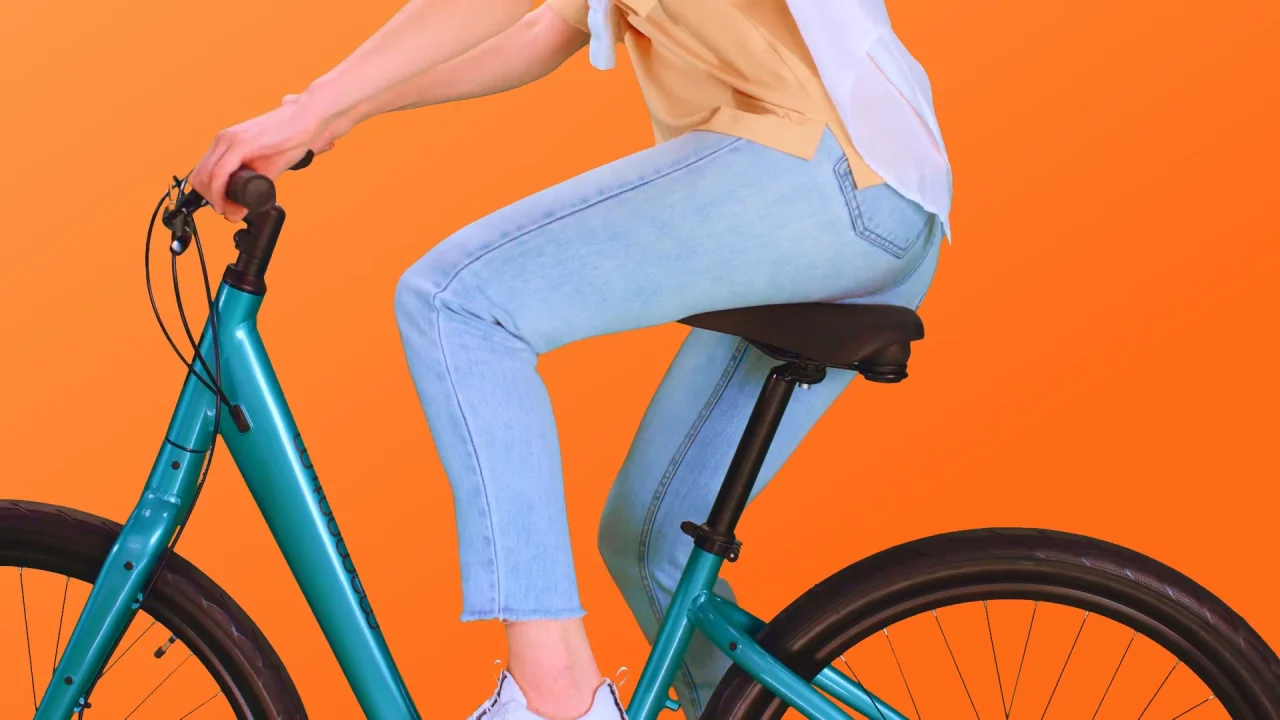
There’s something almost magical about watching a child push off on their bike for the first time, wobbly at first, then suddenly finding that sweet spot where everything clicks. Their face lights up with pure joy as they realize they’re actually doing it. They’re balancing. They’re riding. They’re free.
Maybe you missed out on that moment as a kid. Or perhaps you’re a parent wanting to teach your little one, but you’re not quite sure where to start. Here’s the truth: learning to balance on a bike isn’t some secret skill that only a lucky few possess. It’s something anyone can learn, whether you’re seven or seventy.
I’ve taught dozens of people how to ride a bicycle over the years, and I’ve seen the same pattern repeat itself. The fear at the beginning. The frustration after the first few falls. Then that breakthrough moment when balance suddenly makes sense. Your body just gets it.
This guide will walk you through everything you need to know about balancing on a bike. No complicated jargon. No confusing techniques. Just simple, proven methods that actually work. By the end, you’ll understand exactly how to go from your first nervous attempt to riding confidently down the street.
Understanding Why Bikes Stay Upright
Before you start practicing, it helps to understand what’s actually happening when you balance on a bicycle. Don’t worry, this isn’t a physics lecture. Just some simple concepts that will make learning easier.
When a bike is moving forward, the wheels spinning create a natural stability. Think about a spinning top. When it spins fast, it stays upright. When it slows down, it wobbles and falls. Bikes work similarly. This is why riding a bike is actually easier than balancing a stationary one.
Your body also plays a huge role. When you start to tip left, you naturally steer slightly left to bring yourself back under the bike. You don’t even think about it. Your brain makes hundreds of tiny adjustments every second. The key is trusting your body to do this automatically.
Many beginners think they need to sit perfectly still and rigid to balance. Actually, the opposite is true. Good balance comes from staying relaxed and letting your body make small movements. Stiff arms and a tight grip on the handlebars make balancing harder, not easier.
Speed matters too. A bike moving at a decent pace is much more stable than one moving very slowly. This surprises most learners. They think going slow will be safer, but really, you need some momentum to stay upright. Not racing speed, just a comfortable rolling pace.
Getting Ready to Learn
The right setup makes a massive difference when you’re learning how to balance on a bicycle. Let’s start with the bike itself.
Your bike needs to be the right size. When you sit on the seat, both feet should touch the ground flat. Not just your toes. Your whole foot. This gives you confidence because you can catch yourself easily if you start to fall. Too many people try learning on bikes that are too big, and it makes everything harder.
If you’re borrowing a bike, adjust the seat lower than normal for learning. You can raise it later once you’re comfortable. Lower is always better when you’re starting out.
Safety gear isn’t optional. Get a properly fitted helmet. It should sit level on your head, covering your forehead, and the straps should form a V shape under your ears. When you open your mouth wide, you should feel the helmet pull down slightly. That’s how you know it fits right.
Knee and elbow pads are smart choices too, especially for kids or nervous adults. They don’t prevent injuries completely, but they do make falls less painful. And here’s the thing: when you’re not scared of falling, you learn faster. Your body stays relaxed instead of tensing up.
Wear closed toe shoes with flat bottoms. Sneakers are perfect. Avoid flip flops, sandals, or shoes with heels. You need good contact with the pedals and the ground.
Finding the right place to practice is just as important as having the right equipment. Look for a flat, smooth surface with plenty of open space. Empty parking lots on weekends are ideal. Tennis courts work great too. Some people prefer quiet streets with little traffic.
Avoid practicing on grass at first. Yes, it feels safer because falls are softer, but grass creates more resistance. The bike moves slower and wobbles more, making it harder to find your balance. Save grassy areas for when you’re already comfortable riding.
Pick a time when the area isn’t crowded. You want space to wobble without worrying about hitting someone. Early mornings or late afternoons usually work well.
The Scooting Method: The Easiest Way to Learn Balance
This technique has revolutionized how people learn to ride bikes. It’s simple, effective, and builds confidence quickly. Here’s how it works.
First, you can remove the pedals from the bike if you want. This isn’t required, but many teachers swear by it. Without pedals, you can focus purely on balance without worrying about where to put your feet. You can put the pedals back on after a few practice sessions.
If you keep the pedals on, just let them spin freely. Don’t worry about them for now.
Sit on the bike seat with both feet flat on the ground. Hold the handlebars lightly. Not a death grip. Just a comfortable hold like you’re holding a cup of coffee.
Now walk forward while sitting on the bike. Yes, just walk. Let the bike roll between your legs. Get used to the feeling of the bike moving beneath you. Do this for a few minutes until it feels natural.
Next comes the gliding part. Push off with your feet and lift both feet off the ground at the same time. Let the bike roll forward with your feet up. You’ll probably only coast for a second or two at first. That’s perfect.
Keep doing this. Push, glide, feet down. Push, glide, feet down. Each time, try to keep your feet up a little longer. Don’t force it. Just let it happen naturally.
Here’s what you should focus on during the glide. Look ahead, not down at the wheel or your feet. Pick a spot about twenty feet in front of you and look at that. Your bike will naturally go where you’re looking.
Keep your arms relaxed. If you feel yourself starting to fall, you can put your feet down instantly. Nothing bad will happen.
After several sessions of scooting and gliding, something amazing will happen. You’ll push off and suddenly realize you’ve been gliding for five, ten, even twenty feet without thinking about it. Your body has figured out how to balance on a bike. You just needed to give it time to learn.
Most people spend two to five practice sessions on this method before they’re ready to add pedaling. Each session might be thirty to forty five minutes. Take breaks when you get tired or frustrated.
Learning to Balance with Pedals
If you prefer learning the traditional way with pedals attached from the start, that works too. This method takes a bit more courage upfront, but plenty of people learn this way successfully.
Start by positioning one pedal at the two o’clock position. If you’re right footed, this should be your right pedal. Put your foot on this pedal, and keep your other foot on the ground.
Look ahead at that fixed point again. Push off hard with your ground foot while simultaneously pushing down on the pedal with your other foot. This gives you momentum right away.
Keep pedaling. This is crucial. Don’t push once and then stop. Keep those pedals moving in smooth circles. Stopping pedaling means losing momentum, and losing momentum usually means falling.
Your first successful ride might only be ten or fifteen feet. That’s a huge victory. The next one will be longer. Then longer still.
Having someone help you can make this easier. A friend or family member can hold the back of your seat and run alongside you. Notice I said the back of the seat, not the handlebars. If someone holds your handlebars, you can’t learn to steer properly.
The helper should give you a strong push to start and then jog beside you, gradually letting go without telling you. Many people ride several feet on their own before they realize the helper isn’t even touching the bike anymore. That’s when the breakthrough happens.
If you don’t have a helper, you can still absolutely learn to ride a bike on your own. Millions of people have done it. It just might take a few extra practice sessions.
Mastering Body Position and Steering
Now let’s talk about the specific techniques that make balancing easier once you’re moving.
Your eyes are the most important tool for balance. Always look where you want to go, never at the ground directly in front of you. When you look down, your body follows, and you’ll steer erratically. When you look ahead, your bike naturally tracks straight.
Try this test once you’re comfortable. While riding, look at a tree or pole in the distance. Your bike will head toward it without you consciously steering. Then look at something else. Your bike will change direction. Your eyes control more than you realize.
Keep your grip on the handlebars loose and relaxed. Imagine you’re holding something delicate that might break if you squeeze too hard. Tight arms create a rigid connection between you and the bike, making every tiny bump feel bigger and every wobble harder to correct.
Your core muscles, the ones in your stomach and lower back, do most of the work in balancing. Sit up straight with your shoulders relaxed. Engage your core slightly, like you’re pulling your belly button toward your spine. This gives you stability while keeping you flexible enough to make adjustments.
Weight distribution matters. Sit evenly on the seat. Leaning too far forward or backward makes steering harder. Your weight should be centered over the bike.
Steering feels backward at first. When you start to tip right, you actually steer slightly right to correct yourself. Your body does this naturally, but understanding it helps. This is called countersteering, and it’s how motorcycles and bicycles stay balanced.
Make small steering adjustments, not big ones. Tiny movements of the handlebars are enough. Oversteering is a common beginner mistake that leads to wobbling back and forth.
Here’s the speed thing again because it’s so important. There’s a minimum speed where bike riding becomes easy. Below that speed, you’ll wobble constantly. Above it, balance happens almost automatically. For most people on a standard bike, this is about the pace of a slow jog. Fast enough to keep momentum, slow enough to feel safe.
When you want to turn, look in the direction you want to go and lean slightly. The bike will follow. Don’t try to muscle it around with the handlebars. Leaning and looking do most of the work.
Your Week by Week Practice Plan
Let’s break down a realistic timeline for learning how to balance on a bicycle. Remember, everyone learns at their own pace. These are guidelines, not rules.
Week One: Getting Comfortable
Practice for thirty to forty five minutes, three or four times this week. Use the scooting method if you’re a complete beginner. By the end of week one, you should be gliding confidently for at least five to ten seconds at a time. Some people progress faster and start pedaling by the end of this week. Others need more time with gliding. Both are totally normal.
Week Two: First Pedal Strokes
If you haven’t started pedaling yet, this is the week. Keep sessions to forty five minutes or so. Any longer and you’ll get tired, which makes learning harder. By the end of week two, you should be able to ride twenty to fifty feet in a relatively straight line. You might still need to put your feet down frequently, and that’s expected.
Week Three: Building Distance
Now you’re working on riding longer distances without stopping. Your goal is to make it a hundred feet or more. Practice starting from a standstill repeatedly. This is often harder than riding itself, so give it attention. Work on basic turns too. Set up markers or use existing lines in the parking lot and practice riding between them.
Week Four: Growing Confidence
By now, riding a bike should feel less terrifying and more fun. Practice on slightly different surfaces if you haven’t already. A gentle downhill slope. A very gradual uphill. Different pavement textures. Each new surface teaches your body more about balance. Start riding for actual distance now, not just back and forth in a parking lot.
Most people can ride independently after about four to eight total hours of practice spread across several weeks. Kids often learn faster because they’re less afraid of falling and they don’t overthink the process. Adults bring better understanding of the mechanics, but sometimes that mental approach slows things down.
The important thing is consistency. Four practice sessions in one week works better than one long session and then nothing for three weeks. Your muscle memory needs repetition to develop.
Fixing Common Problems
Let’s troubleshoot the issues that trip up most beginners learning to balance on a bike.
Looking Down
This is the number one mistake. When you look at your front wheel or the ground, you cannot balance properly. Your body follows your eyes. If your eyes are down, your weight shifts down and forward, throwing off your center of gravity.
The fix is constant reminders. Pick an object far ahead and stare at it. A tree, a fence post, a parked car. Keep your eyes locked on that target. It feels weird at first, especially when you’re nervous, but it works. Have your helper remind you repeatedly to look up.
Death Grip on the Handlebars
Squeezing the handlebars with all your strength creates tension through your whole upper body. This tension makes the bike harder to control. Every small bump translates directly into your body instead of being absorbed by relaxed arms.
The fix is conscious relaxation. Before each attempt, take a deep breath and deliberately loosen your grip. Shake out your hands. Think about holding eggs that you don’t want to break. Some people benefit from practicing their grip while the bike is stationary until the relaxed feeling becomes automatic.
Stopping Pedaling When Scared
Your brain screams at you to stop pedaling when you feel unstable. This instinct is exactly wrong for bike riding. Stopping pedaling kills your momentum, and momentum is what keeps you upright.
The fix is making a mental commitment before you start. Tell yourself you’ll complete ten full pedal rotations no matter what. Count them out loud if it helps. This override of your instinct is hard at first but gets easier with practice.
Leaning Too Much
Some beginners lean dramatically when they feel off balance, which usually makes them fall faster. Overcompensating is a natural reaction but not helpful.
The fix is smaller movements. Your adjustments should be almost invisible. Tiny weight shifts, not huge leans. Practice this while gliding. When you feel yourself tipping, make the smallest correction possible. Often that’s enough.
Starting Too Slowly
Pushing off gently seems safer, but it actually makes balancing impossible. You need that initial burst of speed to get the wheels spinning and create stability.
The fix is a more aggressive start. Really push hard with your ground foot. Put some power into that first pedal stroke. Think of it like running a few steps before jumping. You need momentum.
Fear Taking Over
Some people get so afraid of falling that they can’t relax enough to learn. Every muscle is tense. Every attempt ends quickly because the fear becomes a self fulfilling prophecy.
The fix is better safety gear and planned falls. Seriously. Put on those knee pads, elbow pads, and helmet. Then deliberately fall onto grass a few times while moving slowly. Let yourself experience that falling on a bike isn’t actually that bad. This sounds silly, but it works. Once your brain knows that falling is survivable and not particularly painful, the fear loses its grip.
When Progress Stalls
Sometimes you hit a plateau when learning to ride a bicycle. You can glide fine but can’t seem to add pedaling. Or you can pedal but always veer left. Here’s how to break through.
Can’t Move Past Gliding
Go back to basics. Check that your bike fits properly. Make sure your seat isn’t too high. Practice in a different location with a very slight downhill slope. The extra momentum from the slope helps bridge the gap between gliding and pedaling.
Try the running start method. Instead of pushing off from a standstill, walk or jog alongside the bike for a few steps while holding the seat and handlebars. Then hop on while already moving. This gives you more speed to work with.
Keep Veering to One Side
This often means something is mechanically off with the bike. Check that the handlebars are straight. Look at the front wheel from above. It should point exactly forward when the handlebars feel centered.
Sometimes this is also about favoring your dominant side. If you always veer right, consciously lean slightly left at the start. Your body might be compensating without you realizing it. A few practice runs focusing on this usually fixes the issue.
Falling at the Same Point Every Time
If you always fall when you reach a certain number of pedal strokes or at a particular moment, you’ve found your sticking point. Break it down. What’s different at that moment? Are you looking down? Are you tensing up? Are you slowing down?
Have someone video you on their phone if possible. Watching yourself reveals patterns you can’t feel while riding. The solution is usually found in small adjustments to one of the techniques covered earlier.
Adult Specific Challenges
Adults learning to balance on a bike face some unique issues. We overthink everything. We’re more aware of potential injury. We feel self conscious practicing in public.
The overthinking problem actually has a simple solution. Focus on the physical sensations, not the mental analysis. Feel the bike moving. Feel the wind. Notice your body’s tiny adjustments. Stay in your body instead of your head.
Self consciousness fades fast. Most people at the park or parking lot aren’t paying attention to you anyway. And those who do notice? They usually feel impressed or nostalgic, not judgmental. Everyone remembers learning to ride.
Physical conditioning helps adults. If you’re finding practice exhausting, work on your general fitness between sessions. Even just walking more builds the leg strength and core stability that make bike balance easier.
Taking Your Skills Further
Once you can balance on a bike and ride basic distances, a whole new world opens up. Here are the next skills to develop.
Slow Speed Control
Riding fast is easier than riding slow. Now challenge yourself to go slower while maintaining balance. This teaches fine control. Practice riding at a walking pace. Eventually, you can learn a track stand, where you balance on the bike while barely moving at all. This isn’t necessary for regular riding, but it’s fun and impressive.
One Handed Riding
You need this skill for signaling turns in traffic later. Start by taking one hand off for just a second while riding straight. Gradually extend the time. Your core has to work harder to keep you stable without both hands steering. Practice with both hands. Most people find one side easier than the other at first.
Riding Without Hands
This is the classic show off move, and it actually demonstrates complete mastery of balance. Don’t try this until you’re very comfortable with one handed riding. The bike is balanced entirely through your core and subtle weight shifts. Start by letting go for one second. Gradually build up. This should only be practiced in completely safe areas with no traffic or obstacles.
Different Terrains
Once you’re confident on smooth pavement, try other surfaces. Gravel driveways teach you to balance through small slides and bumps. Grass shows you how to maintain momentum on softer ground. Very gentle hills help you understand how shifting your weight forward or backward affects balance.
Each new terrain makes you a better, more adaptable rider. Your body learns to handle whatever the bike encounters.
Emergency Stops
Practice stopping quickly while maintaining control. This is a safety essential. Squeeze both brakes evenly, shift your weight slightly back, and keep looking ahead. Never grab just the front brake hard, or you might flip over the handlebars.
Building Lasting Confidence
Learning how to balance on a bicycle is just the beginning. Now you want to become a confident rider who can handle different situations.
Ride regularly, even if just for ten or fifteen minutes. Muscle memory fades without practice. Regular short rides maintain your skills better than occasional long ones.
Gradually expand your comfort zone. Try a new route. Ride in a different neighborhood. Join a friend for a longer bike ride. Each new experience adds to your skills.
If you don’t ride for a while and feel rusty when you return, don’t worry. The phrase “it’s like riding a bike” exists for a reason. Your body remembers. You might wobble for the first few minutes, but the skill comes back quickly.
Set new goals to stay motivated. Maybe you want to ride five miles without stopping. Or explore a new bike trail. Or commute to work once a week. Goals give you something to work toward and keep cycling interesting.
Consider joining a casual cycling group. Many communities have beginner friendly group rides. Riding with others is more fun than riding alone, and you’ll pick up tips from more experienced cyclists.
Take care of your bike. Keep the tires properly inflated. Lubricate the chain occasionally. A well maintained bike is safer and easier to ride. You don’t need to become a bike mechanic, just learn the basics.
Most importantly, remember why you wanted to learn in the first place. Maybe it was for exercise. Maybe for transportation. Maybe just for the fun of it. Whatever your reason, let that motivation carry you forward.
Final Thoughts
Learning how to balance on a bike might seem intimidating right now, but I promise you it’s simpler than you think. Your body already knows how to balance. You do it every time you walk, every time you stand on one foot to put on a shoe. Riding a bike is just extending that natural ability to a moving platform.
The secret isn’t some special technique or perfect form. It’s giving yourself permission to wobble, to make mistakes, to look silly, and to keep trying anyway. Every person who rides a bike today went through the same awkward learning phase you’re facing. Every single one of them thought they might never get it. And then one day, they did.
I’ve watched toddlers learn to balance on bikes. I’ve taught teenagers who missed out as kids. I’ve helped adults in their sixties discover cycling for the first time. The age doesn’t matter. The athletic ability doesn’t matter. What matters is showing up for practice and trusting the process.
That moment when everything clicks, when you’re suddenly riding and it feels effortless, is worth every frustration along the way. It’s freedom. It’s joy. It’s accomplishment. And it’s waiting for you, probably much sooner than you expect.
So grab a bike, find an empty parking lot, and give yourself the gift of this skill. Start with the scooting method. Focus on looking ahead. Keep your grip relaxed. Build momentum. And before you know it, you’ll be that person gliding down the street with a big smile, wondering what took you so long to try.
The bike is ready. The path is waiting. You’ve got this.
About the Author